
Aortic Valve Problems: Repair or Replacement
Aortic valve repair or replacement: learn when repair is possible, how replacement works, and what to ask your heart surgeon.
If you or someone you love has just been told there is a problem with the aortic valve, the first question is usually the same one: can it be fixed, or does it need to be replaced? The answer matters more than almost anything else in your treatment plan, because the aortic valve is the last gate blood passes through on its way out of the heart to the rest of your body. When it narrows or leaks, the heart has to work harder every single beat. This guide walks through what the valve does, how disease shows up, and how aortic valve repair or replacement is chosen — in plain language, so you can walk into your next consultation with real questions of your own.
What Is the Aortic Valve and Why Does It Matter?
The valve that carries your whole life's blood flow. The aortic valve sits between the left ventricle — the heart's main pumping chamber — and the aorta, the large artery that sends blood to everything from your brain to your toes. It has three thin leaflets, often described as a Mercedes-Benz sign when viewed from above, that open and close with every heartbeat. In a lifetime of roughly 80 years, it opens and closes around three billion times, which is why wear and tear eventually shows up.
What happens when it fails. Two problems dominate. In stenosis, the leaflets stiffen and the opening narrows, so the heart strains to push blood through a smaller gap. In regurgitation, the leaflets don't close fully, so blood leaks backwards into the heart with every beat. Either way, the heart muscle thickens and weakens over time, which is why treatment decisions can't be left indefinitely.
Why the diagnosis is usually silent at first. Many people live with a functioning but abnormal valve for years without knowing it. A heart murmur picked up on a routine examination is often the first clue. It is common for a murmur heard during a visit for something unrelated to lead to an echocardiogram — an ultrasound of the heart — that reveals the real story.
What Are the Symptoms of Aortic Valve Problems?
The classic trio. Aortic valve disease announces itself, when it does, with three symptoms: breathlessness on activity that used to be easy, chest discomfort or pressure during exertion, and fainting or near-fainting spells, especially when standing up quickly or exercising. These are the red flags that prompt most referrals to a cardiologist.
Subtle signs people dismiss. Before the classic trio arrives, many patients notice things they blame on age: needing to pause on a hill they've walked for years, sleeping with more pillows, or swollen ankles by evening. Any of these deserves attention if you have a known murmur. We encourage patients to describe changes in their own words — "I can't keep up with my wife at the market anymore" tells us more than a checklist.
When symptoms demand urgent action. Once aortic stenosis causes symptoms, the risk of worsening rises sharply, and guidelines from the European Society of Cardiology recommend intervention rather than watchful waiting. Fainting with exertion in particular is a symptom we never leave alone — it means the valve can no longer keep up with demand. If you experience it, seek assessment promptly rather than waiting for your next routine appointment.
What Are the Different Types of Heart Valves?
Four valves, one direction of flow. The heart has four valves: two on the left side (the mitral valve and the aortic valve) and two on the right (the tricuspid and pulmonary valves). Each is a one-way door. Knowing your heart means knowing which valve is causing trouble, because treatment differs enormously between them.
Why the aortic valve gets replaced more often. The left-sided valves do the hardest work against the highest pressures, so they wear out first. The aortic valve, in particular, is difficult to repair surgically because of its structure and position, which is why Valve Replacement is the standard approach for it, while the mitral valve is frequently repairable. This is one reason people ask which heart valve is the hardest to replace — the aortic valve is generally considered the most technically challenging of the four.
The bicuspid exception. Most aortic valves have three leaflets, but around one to two percent of people are born with two — a bicuspid aortic valve. It wears out earlier in life and often comes with a widened aorta that needs monitoring. The aortic diameter matters in these patients, because an ascending aorta measuring about 4.5 cm or more changes the surgical plan and may require Aortic Aneurysm Repair at the same time.
When Is Aortic Valve Repair Possible?
Repair is the ideal — where it's feasible. Repairing your own valve avoids the lifelong issues that come with prostheses: no blood thinners, no structural wear-out, better long-term outcomes in the right hands. But aortic valve repair is a highly specialized operation, best suited to regurgitation in younger patients, often with a bicuspid valve, and often alongside surgery on a widened aorta.
Who performs it matters enormously. Aortic valve repair is not offered at every center, and outcomes vary with the surgeon's experience. When we review a case, we look carefully at the valve anatomy, the aortic root measurements, and the patient's goals before saying whether repair is realistic. We believe patients deserve the least invasive option the evidence supports — including Valve-Sparing Root Replacement when the aorta is involved.
Situations where repair is usually not possible. In older patients with heavily calcified, stiffened valves — the typical picture of aortic stenosis — repair is rarely an option. The leaflets are simply too damaged to reconstruct. In those cases, replacement with either a tissue or mechanical valve, or Transcatheter Aortic Valve Implantation through a catheter, becomes the honest conversation.
How Does Aortic Valve Replacement Work?
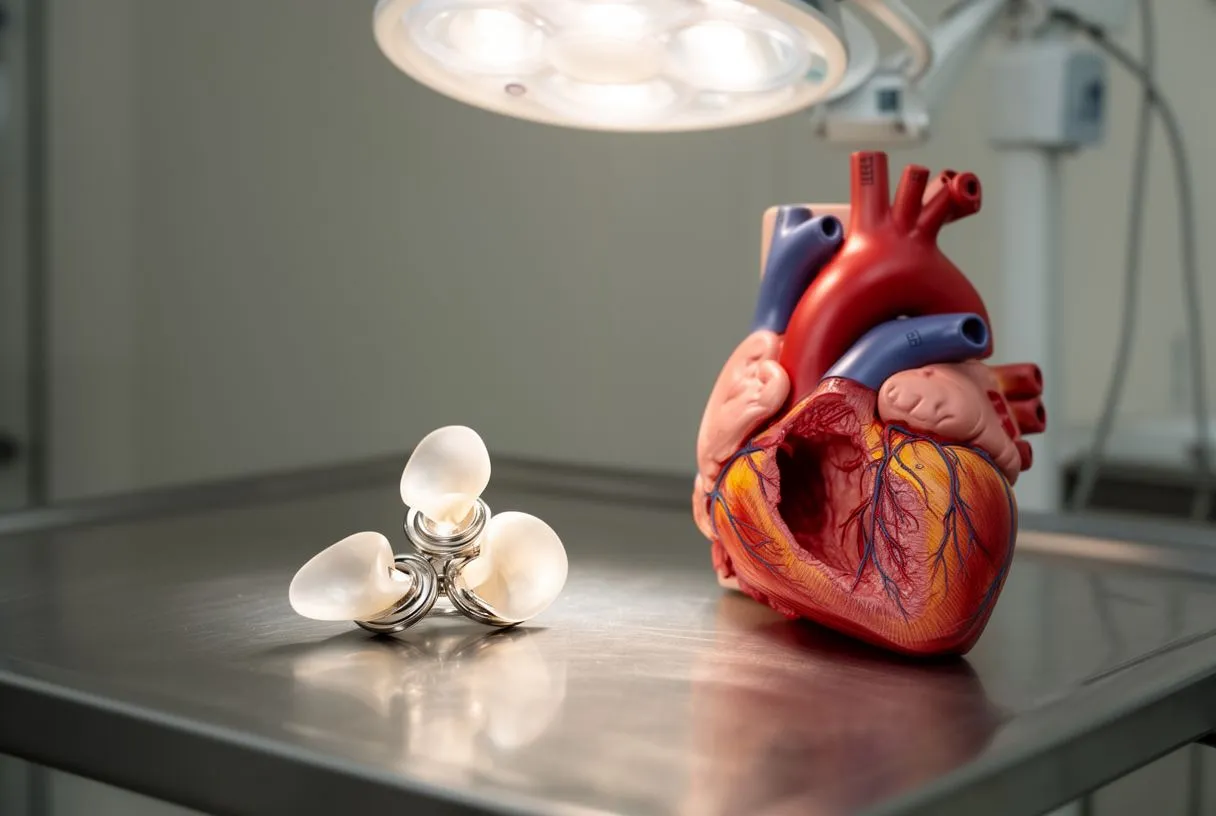
The basic operation. In a conventional Aortic Valve Replacement, the surgeon opens the chest, stops the heart temporarily, removes the diseased valve, and sews a new one in its place. The new valve is either a mechanical prosthesis made of durable artificial materials, or a bioprosthetic (tissue) valve made from animal or human tissue. The heart is then restarted and the chest closed. Hospital stays typically run several days, with full recovery measured in weeks to months.
Minimally invasive and robotic approaches. Not every replacement requires a full sternotomy. Minimally invasive Aortic Valve Replacement uses smaller incisions, often between the ribs, and robotic techniques refine this further. We perform conventional, minimally invasive, robotic and transcatheter procedures at our practice, and we recommend the less invasive route only where the evidence supports it for that specific patient. Dr Molina performed the first robotic heart surgery in Guadalajara, and our multidisciplinary team reviews every case against international practice guidelines before making any recommendation.
What the new valve has to do. Whichever prosthesis is chosen, it must open easily, seal completely, and last. Mechanical valves essentially last a lifetime but require anticoagulation medication permanently. Tissue valves avoid that medication but degenerate over roughly 10–20 years, earlier in younger patients — which is why a 40-year-old and a 78-year-old rarely get the same recommendation.
The team behind the operation. A successful outcome depends on more than the surgeon's hands — it depends on imaging, anesthesia, perfusion and postoperative care working together. We take the time in consultation to explain what the studies actually show in plain words, and to answer every question before any decision, because an informed patient makes a calmer patient.
Mechanical vs Tissue Valve: Which Should You Choose?
The central trade-off. Mechanical vs tissue valve replacement is one of the most important conversations in this whole journey, and it has no universal right answer. A mechanical valve lasts essentially forever but commits you to warfarin (a blood thinner) and regular blood tests for life. A tissue valve frees you from that medication but will eventually need replacing — a reoperation.
- Mechanical valve: lifelong durability; requires permanent anticoagulation; best suited to younger patients who can tolerate blood thinners without complication.
- Tissue (bioprosthetic) valve: no long-term blood thinner; degenerates over 10–20 years, faster in the young; the usual choice after age 65–70.
- Hybrid strategies: a tissue valve in a younger patient can later be replaced with a new valve inside the old one — a technique called Valve-in-valve — potentially avoiding open surgery the second time.
How we frame the decision. We lay out the alternatives clearly and the final decision is always the patient's. Age, lifestyle, tolerance for medication, plans for future pregnancy, and even the patient's own preferences about reoperation all enter the equation. We encourage second opinions and treat seeking one as a normal, sensible part of deciding about heart surgery — never as a slight.
TAVR vs Surgical Aortic Valve Replacement
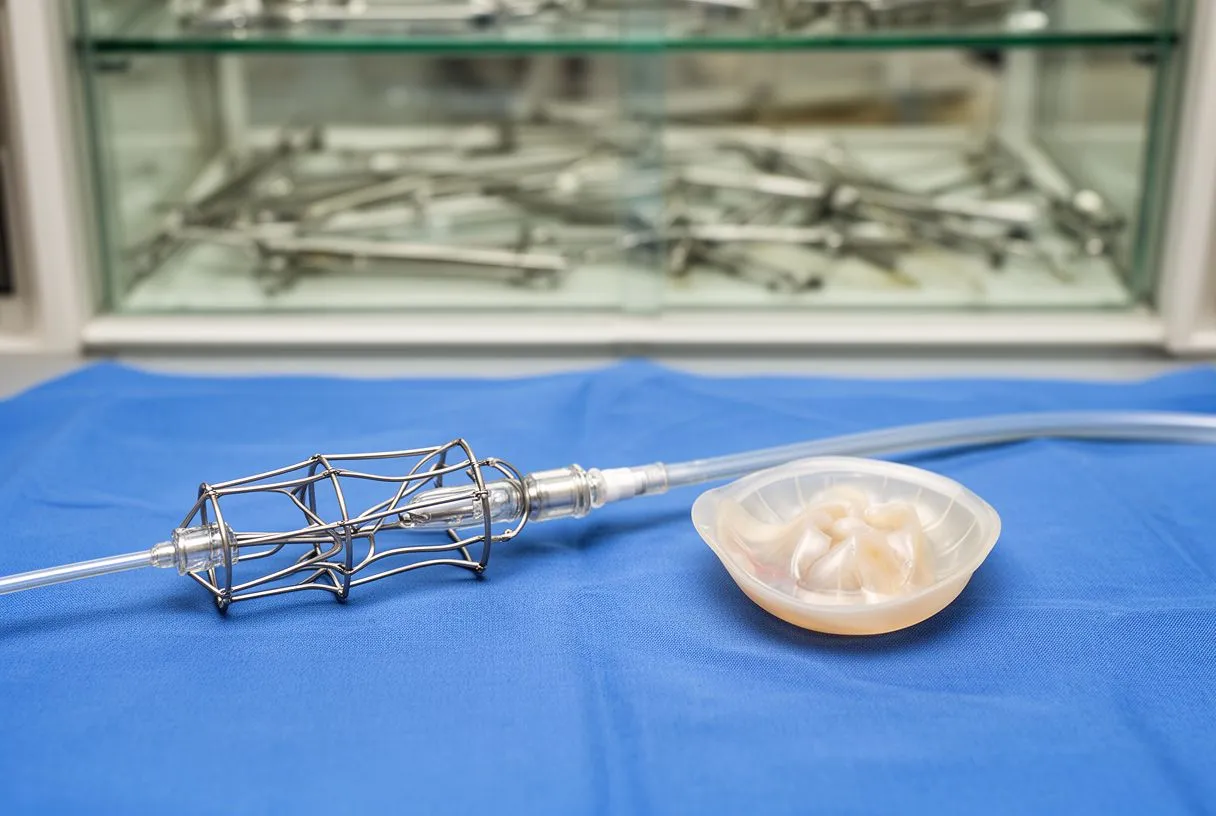
What TAVR is. Transcatheter aortic valve replacement — TAVR — delivers a new tissue valve through a catheter, usually from an artery in the groin, without opening the chest and without stopping the heart. It began as an option for patients too frail for open surgery and is now approved across a widening range of ages and risk profiles.
How the choice is made. TAVR vs surgical aortic valve replacement is decided by anatomy, age, and risk. Younger, lower-risk patients with long life expectancy generally do better with Surgical Aortic Valve Replacement, where the surgeon can address the aorta and other issues at the same time. Older patients or those with prior chest surgery, lung disease, or frailty often benefit from TAVR. Every case we see is reviewed by the multidisciplinary team before a recommendation is given.
Trade-offs worth knowing. TAVR avoids a chest incision and typically means a shorter hospital stay, but it uses a tissue valve (with its limited lifespan) and carries its own specific risks, such as the need for a pacemaker in some patients. Surgery allows Valve Repair of associated problems and a wider choice of prosthesis. There is no universally "better" option — there is only the lowest-risk route for your particular situation.
What to expect from the workup. Before recommending either route, we need a echocardiogram, a CT scan of the chest and arteries, and sometimes a coronary angiogram. In the consultation we explain what each study shows in plain words, and the first contact is a free video consultation where we get to know the patient, talk through the condition, and say which studies are still needed so no unnecessary ones are ordered.
Is Aortic Valve Disease Hereditary?
Yes — partly, and more than people realize. A bicuspid aortic valve runs strongly in families: first-degree relatives of an affected person have a substantially increased chance of having one too, and some families carry genetic conditions that cause aortic aneurysm and valve disease together. Calcific aortic stenosis in older age also shares risk factors with coronary disease — cholesterol, blood pressure, smoking — which have their own familial components.
What this means for your family. If you have a bicuspid valve or were diagnosed young, your siblings and children deserve an echocardiogram. It's a painless ultrasound, takes twenty minutes, and finds the condition before it causes symptoms. Patterns of tissue weakening seen in bicuspid patients differ from other aneurysms, as research on aortic disease in bicuspid patients has documented, which is why specialist monitoring matters.
Practical advice. Tell your cardiac team your family history honestly — it changes how we interpret your imaging and how we counsel your relatives. We ask about family history at every first consultation for this exact reason.
What Is Aortic Valve Surgery Recovery Time Really Like?
The first weeks. Aortic valve surgery recovery time varies with the approach. After conventional open surgery, most patients spend three to seven days in hospital and need six to twelve weeks to feel genuinely recovered — the breastbone takes about that long to knit. Minimally invasive and TAVR patients usually move faster: many TAVR patients go home within a couple of days.
The honest middle ground. Weeks four to eight are often the most frustrating: energy returns unevenly, sleep is disrupted, and a small emotional dip is common and normal after any open-heart operation. We prepare patients and families for this in advance, because a recovery that surprises you feels worse than one you expected. Cardiac rehabilitation — supervised, graded exercise — is one of the strongest predictors of a good long-term outcome, and it is recommended for most surgical patients.
Life after recovery. Most patients return to driving in around four to six weeks after chest surgery, to work in two to three months for desk jobs, and to full activity progressively. Walking is the single best exercise in the first month. The weeks after surgery deserve close follow-up, because the details — wound healing, rhythm checks, medication adjustments — decide how smooth the road really is.
How Do You Decide: Should I Repair or Replace My Aortic Valve?
The questions that decide it. Should I repair or replace my aortic valve comes down to a handful of factors: your age, the exact anatomy of your valve, whether your aorta is involved, how symptomatic you are, and how experienced your surgical team is with repair. In general terms:
- Younger patient, leaking valve, healthy aorta or repairable root: repair or valve-sparing surgery is often the best long-term option, and worth seeking a center that does it regularly.
- Older patient, calcified stenotic valve: replacement — surgical or transcatheter — is the standard, with the choice between them driven by risk and anatomy.
- Anyone at any age: the recommendation should come from a team that reviews all options, not from a single technique looking for a patient.
Getting the answer right for you. The decision about aortic valve repair or replacement deserves a genuine conversation, not a sales pitch. We review every case against international practice guidelines, present the alternatives clearly, and the final decision is always yours. We encourage second opinions and treat seeking one as a normal part of deciding about heart surgery — the seriousness of the decision deserves exactly that.
The next step. If you have been told you have aortic valve disease, or if you're living with symptoms that worry you, don't wait for certainty that never comes. Start with a free video consultation with a heart surgeon: we get to know you, talk through your condition, and tell you which studies are actually needed. Then, if you decide to move forward, a face-to-face visit at our consulting rooms in Guadalajara, Querétaro or Hermosillo follows. Your heart's situation is individual — the right way to find out what it needs is to discuss it with a qualified cardiac team, not to self-diagnose.