

Bare-Metal Stent or Drug-Eluting Stent: The Difference
Bare-metal stent vs drug-eluting stent—learn key differences, recovery, risks, and which option fits your heart condition.
What Are Bare-Metal Stents and Drug-Eluting Stents
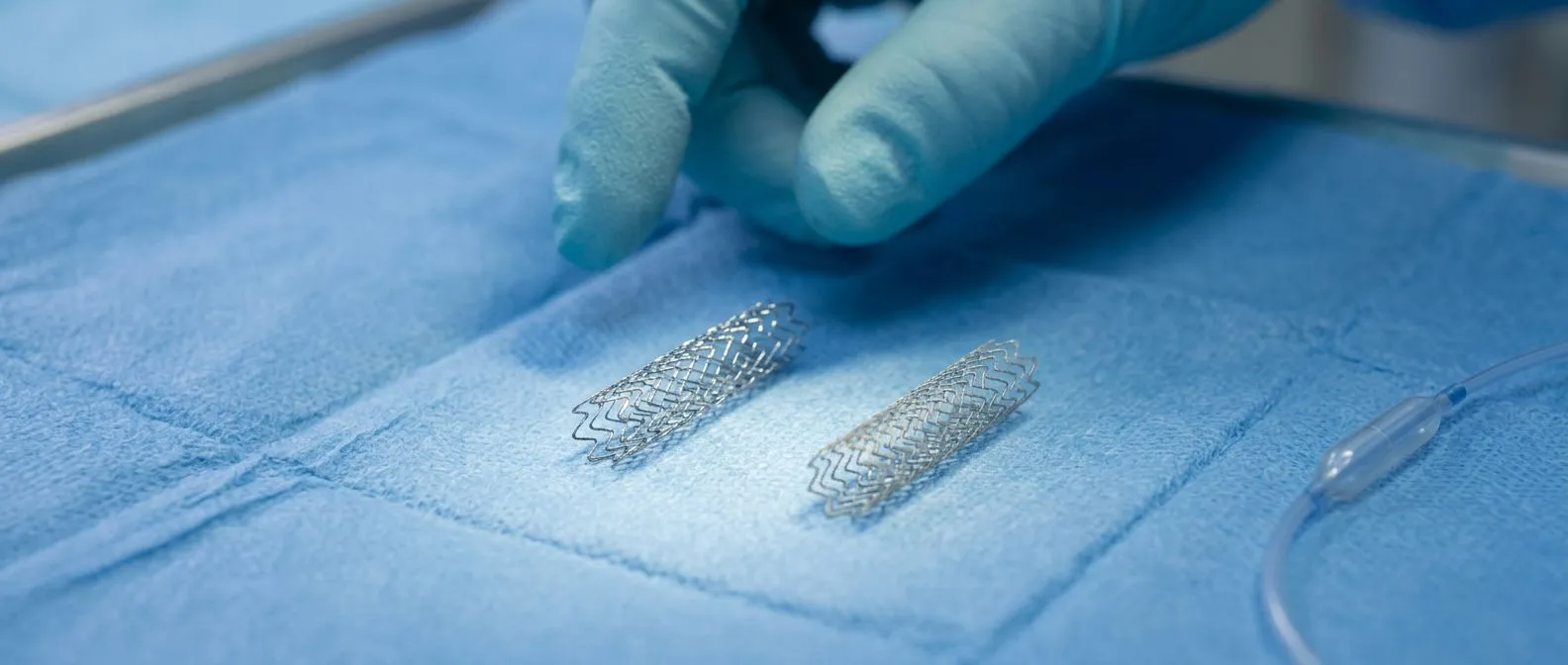
When a cardiologist tells you that you need a stent for a narrowed coronary artery, the decision is rarely as simple as it first appears. A bare-metal stent is a tiny mesh tube made of metal alloy — usually stainless steel or cobalt-chromium — that is threaded into a coronary artery during balloon angioplasty and expanded to hold the vessel open. Think of it as scaffolding for a collapsed tunnel: once the balloon inflates and presses the atheromatous plaque against the artery wall, the stent stays behind to keep that channel patent so blood can continue flowing to heart muscle. These devices have been used since the late 1980s and remain a proven option for selected patients, especially those who cannot tolerate long courses of blood-thinning medication.
A drug-eluting stent takes the same basic scaffold and adds a thin polymer coating that slowly releases a medication — typically a compound that suppresses cell growth — over several weeks after implantation. The reason for this coating is that the body's natural healing response can sometimes overreact to a bare-metal stent, growing tissue inward and re-narrowing the artery in a process called in-stent restenosis. By releasing a drug directly where that tissue growth occurs, the drug-eluting stent significantly lowers the chance the artery will narrow again. According to Cleveland Clinic, drug-eluting stents now account for the majority of coronary stent procedures worldwide because they reduce repeat interventions without increasing other major complications in most patient groups.
The choice between these two platforms is not about one being universally superior. It is about matching the stent's properties to your anatomy, your bleeding risk, your ability to take antiplatelet medication reliably, and whether you have other conditions that may require surgery in the near future. A patient who is scheduled for a hip replacement in three months, for example, faces a very different calculus from someone who has no upcoming surgical needs and can commit to a full course of dual antiplatelet therapy. The decision is always individualised, and it should be made together with a cardiac team that understands your full clinical picture.
How Do Drug-Eluting Stents Work in Coronary Arteries
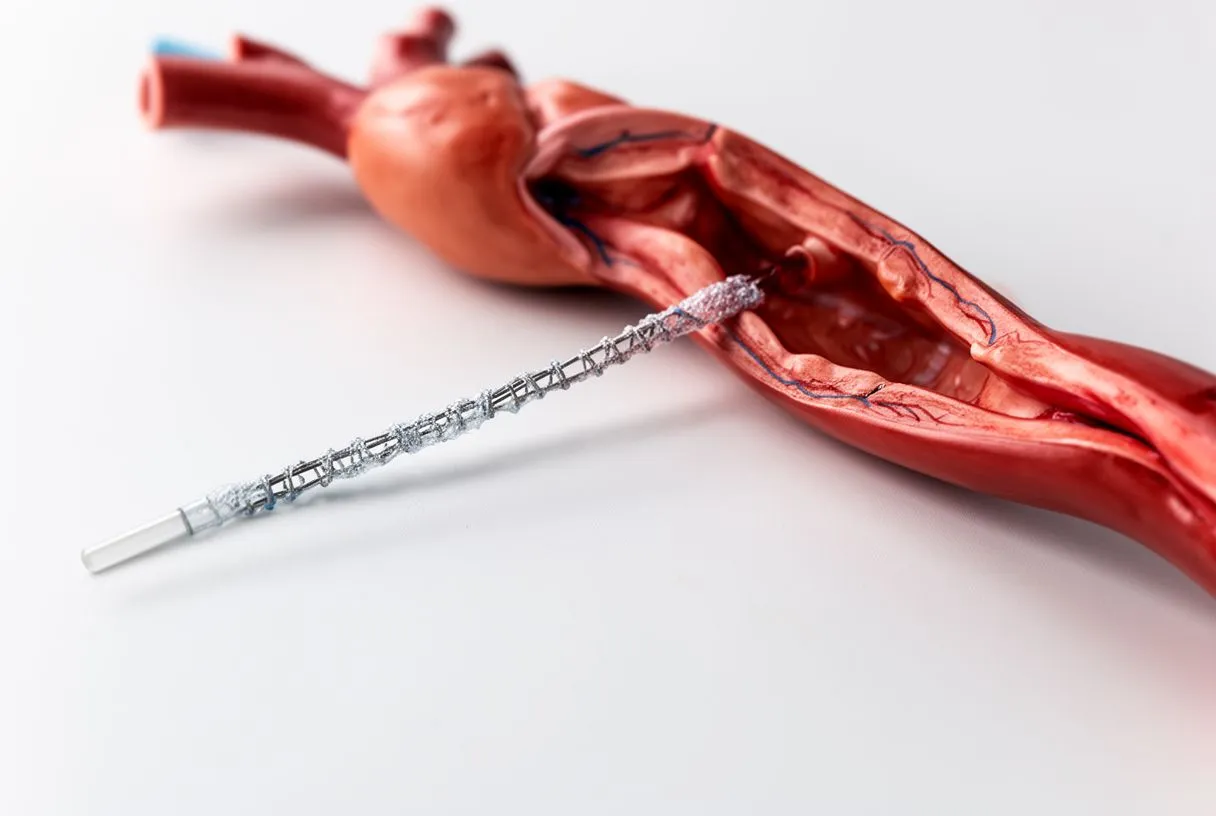
The mechanism of a drug-eluting stent is elegant in its simplicity. During the procedure, the interventional cardiologist threads a catheter — typically through the wrist artery or the femoral artery in the groin — into the aorta and then into the coronary artery, guided by real-time X-ray imaging. Once the catheter reaches the narrowed segment, a balloon at its tip inflates, compressing the cholesterol-laden plaque against the vessel wall. The stent, already mounted on the balloon, expands and locks into place. An arterial line may be used to monitor blood pressure continuously during the procedure, ensuring hemodynamic stability while the cardiologist works on the coronary circulation.
What happens next is what distinguishes a drug-eluting stent from a bare-metal one. The polymer coating on the stent's struts begins releasing a drug — most commonly everolimus, zotarolimus, or sirolimus — that halts the local cell cycle at the point just before cells divide. This targeted action prevents the smooth muscle cells in the artery wall from proliferating into the stent's interior, which is the primary cause of restenosis. The drug is released gradually, typically over 30 to 90 days, after which the coating becomes biologically inert. The stent itself remains permanently in the artery as structural support.
It is worth understanding why this local drug delivery matters so much. When an atheromatous plaque is compressed during balloon angioplasty, the artery wall responds as if injured. In a bare-metal stent, that healing response can be excessive, producing a layer of tissue inside the stent that narrows the lumen again in roughly 10 to 20 percent of patients. Drug-eluting stents reduce that figure to single digits in most modern studies. The trade-off is that the delayed healing means the stent's metal struts are exposed to flowing blood for a longer period, which is why consistent antiplatelet medication is so critical — a topic we will address in detail later.
Bare-Metal Stent vs Drug-Eluting Stent Key Differences
When patients and families ask us to compare these two platforms, the conversation usually centres on four practical dimensions: restenosis risk, duration of blood-thinning medication, cost, and suitability for specific clinical scenarios. A bare-metal stent has a higher rate of artery re-narrowing — roughly 10 to 20 percent — but it heals faster and requires a shorter course of dual antiplatelet therapy, typically one month. A drug-eluting stent dramatically lowers restenosis risk to under 10 percent in most modern platforms but requires six to twelve months of dual antiplatelet drugs, sometimes longer. That extended medication period matters because it increases bleeding risk and can complicate any non-cardiac surgery you might need.
Medicated stent vs regular stent — what the coating actually changes: The polymer coating on a drug-eluting stent does not change the physical scaffolding function of the device. Both stent types are permanent implants that hold the artery open mechanically. What the coating changes is the biological response of the artery wall during the healing phase. In practical terms, a drug-eluting stent buys you a lower chance of needing a repeat procedure to reopen the same artery, at the cost of a longer commitment to antiplatelet therapy and a small increase in the complexity of managing other medical conditions that require surgery.
Coronary stent comparison at a glance: The table below summarises the decision factors that cardiac teams weigh when selecting a stent for your situation. No single factor is decisive on its own; the evaluation is always composite.
- Restenosis risk: BMS 10–20%, DES under 10% with modern platforms
- Dual antiplatelet therapy: BMS ~1 month, DES 6–12 months or longer
- Upcoming non-cardiac surgery: BMS may be preferred to minimise bleeding risk during surgery
- Cost: DES is more expensive, though price gaps have narrowed
- Bleeding risk profile: High bleeding risk may favour BMS or specific DES platforms designed for shorter therapy
Which Stent Is Better for Coronary Artery Disease
There is no universally correct answer to which stent is better, because the question is not abstract — it is specific to your arteries, your medications, and your life. For most patients with coronary artery disease who can tolerate dual antiplatelet therapy and have no planned surgery, a drug-eluting stent is the default choice in contemporary practice. The evidence consistently shows lower rates of repeat revascularisation, meaning fewer trips back to the catheterisation laboratory to reopen the same vessel. For someone whose stent will be the primary treatment for a focal blockage in a large artery, the long-term patency advantage of a drug-eluting platform is substantial.
However, several situations tilt the decision toward a bare-metal stent. If you are likely to need surgery within the next year — whether orthopaedic, abdominal, or urological — the short one-month dual antiplatelet requirement after a bare-metal stent is far easier to manage than the six-to-twelve-month commitment after a drug-eluting stent. Patients who have a history of poor medication adherence, or who live in settings where consistent access to antiplatelet drugs is uncertain, may also be better served by a bare-metal platform. Discontinuing antiplatelet therapy prematurely after a drug-eluting stent carries a real risk of stent thrombosis, a sudden and dangerous clot inside the stent that can cause a heart attack.
The evaluation also considers the nature of the blockage itself. In some patients, coronary artery disease involves long lesions, small-calibre vessels, or diabetes, all of which increase restenosis risk and favour a drug-eluting stent. In others, the narrowing may be in a very large artery with straightforward anatomy, where a bare-metal stent performs well. These decisions are made by your interventional cardiologist in real time during the angiogram, when the actual anatomy is visible on the fluoroscopy screen. The goal is always to match the device to what the artery in front of you needs, not to apply a one-size-fits-all rule.

Drug-Eluting Stent Side Effects and Risks
Understanding the risks of a drug-eluting stent begins with the same reality that applies to all cardiac procedures: the stent addresses one obstruction, but it does not cure the underlying disease process. The plaque that formed in one coronary artery can form in others, and the stent itself introduces new considerations. The most discussed risk specific to drug-eluting stents is late stent thrombosis — a clot that forms inside the stent months or even years after implantation. This is rare with modern stent platforms, occurring in well under 1 percent of patients per year, but when it happens it is serious and can present as an atypical infarction with symptoms that differ from a classic heart attack presentation. This is why consistent antiplatelet therapy is non-negotiable after a drug-eluting stent.
Drug-eluting stent how long does the medication last: The drug coating itself is fully released within the first 30 to 90 days, after which the polymer becomes inert. However, the reason you remain on dual antiplatelet therapy for six to twelve months is that the inner lining of the artery — the endothelium — takes that long to grow over the stent struts and create a smooth, non-clotting surface. Until that endothelial covering is complete, the metal struts are exposed to blood and remain a potential site for clot formation. Aspirin is typically continued indefinitely, while the second antiplatelet agent (clopidogrel, ticagrelor, or prasugrel) is continued for the prescribed duration. The ARISTOTLE trial and similar studies have informed how we balance anticoagulation and antiplatelet strategies in patients who also have atrial fibrillation, though that specific combination requires individualised specialist management.
Bleeding is the other major side effect category, and it is a direct consequence of the antiplatelet regimen rather than the stent hardware itself. Gastrointestinal bleeding, bruising, prolonged bleeding from minor cuts, and — rarely — intracranial bleeding can occur. Patients who experience arm pain or unusual bruising after stent placement should report these symptoms to their cardiac team. The balance between preventing clot inside the stent and avoiding harmful bleeding elsewhere is the central management challenge during the first year after a drug-eluting stent, and it is the reason follow-up appointments matter so much.
Bare-Metal Stent Recovery Time and What to Expect
Recovery from a stent procedure — whether bare-metal or drug-eluting — is remarkably fast compared to open heart surgery, and most patients are surprised by how quickly they return to daily activities. The procedure itself typically takes 30 to 90 minutes, and patients are usually discharged within 24 hours. Access site management is the immediate concern: if the catheter was inserted through the radial artery in the wrist, you may notice some soreness for a few days. If the femoral approach was used at the groin, you will need to avoid heavy lifting for about a week to let the puncture site seal properly. Auscultation of heart sounds and blood pressure checks are routine before discharge.
First weeks at home after a bare-metal stent: In the first one to two weeks, patients commonly feel mild chest discomfort or fatigue, which gradually resolves. You will be prescribed dual antiplatelet therapy — typically aspirin plus clopidogrel — for one month, after which the second agent is stopped and aspirin alone continues indefinitely. This short medication course is one of the practical advantages of a bare-metal stent for patients who have upcoming surgery or high bleeding risk. During this window, the stent's metal struts become covered by a thin layer of endothelial cells, which is the artery's natural non-stick lining. Once that covering is complete, the risk of clot forming inside the stent drops sharply.
Cardiac rehabilitation is strongly recommended regardless of stent type. A structured programme of supervised exercise, education, and lifestyle counselling typically begins two to four weeks after the procedure and lasts six to twelve weeks. The benefits include improved exercise capacity, better medication adherence, and a measurable reduction in future cardiac events. The key milestones are: stable at discharge, healing access site by week one, completing dual antiplatelet therapy by week four, and resuming full normal activities by week six, though heavy exertion should be reintroduced gradually and with your cardiologist's clearance.
Stent Antiplatelet Therapy Duration Explained
Antiplatelet therapy after a stent is not optional or a recommendation to take lightly — it is the single most important medication commitment you make after the procedure, and its duration is directly tied to the type of stent you receive. Dual antiplatelet therapy, commonly abbreviated DAPT, combines two medications that work through different pathways to prevent platelets from clumping together and forming clots. Aspirin is the foundation and is continued permanently in nearly all patients. The second agent — most often clopidogrel, ticagrelor, or prasugrel — is added for a defined period that depends on the stent type and your individual risk profile.
Stent antiplatelet therapy duration by stent type: After a bare-metal stent, dual antiplatelet therapy is prescribed for a minimum of one month, which is the time needed for the stent struts to become endothelialised. After a drug-eluting stent, the minimum is six months, and many guidelines recommend twelve months, particularly for patients with complex lesions, diabetes, or those who presented with a heart attack. The logic is straightforward: a drug-eluting stent delays endothelial healing because the coating intentionally suppresses cell growth, so the stent struts remain exposed to blood for longer. Until that surface is covered, the metal is a potential clotting trigger, and the antiplatelet medication is what prevents that from happening. Premature discontinuation — stopping the second agent before the prescribed period — is one of the strongest predictors of stent thrombosis.
For some patients, the standard duration is adjusted. If you have a high bleeding risk — advanced age, history of gastrointestinal bleeding, kidney disease, or need for oral anticoagulation for conditions like atrial flutter — your cardiologist may use a shorter DAPT duration even with a drug-eluting stent. Modern stent platforms and newer antiplatelet agents have made this individualised approach safer. Clinical inertia — the tendency to under-treat or fail to adjust therapy when circumstances change — is a recognised issue in cardiac care, and studies addressing this challenge have been published by researchers examining treatment patterns in heart failure and related conditions, as noted in the paper Clinical inertia in the treatment of heart failure: a major issue to tackle. The principle applies equally to stent management: your therapy should be reviewed at every follow-up and adjusted to fit your current situation, not left on autopilot.

Best Stent for Elderly Patients
Elderly patients — typically defined as those over 75 — present a unique set of considerations when it comes to stent selection. Frailty, polypharmacy, kidney function, and bleeding risk all increase with age, and each of these factors influences which stent platform offers the lowest risk for your situation. The goal in older patients is not simply to achieve the lowest restenosis rate; it is to find the balance between preventing the artery from re-narrowing and avoiding complications from prolonged antiplatelet therapy that could lead to a fall, a bleed, or a hospital admission. In many elderly patients, a drug-eluting stent with an abbreviated antiplatelet regimen provides the best composite outcome.
Bare-metal stent for heart blockage in older patients — when it still makes sense: A bare-metal stent may be appropriate for an elderly patient who is scheduled for non-cardiac surgery, who has a high bleeding risk, or who has difficulty adhering to a multi-drug regimen. The one-month dual antiplatelet course is easier to manage and reduces the window during which a fall or minor injury could lead to serious bleeding. However, the higher restenosis rate means there is a greater chance of needing a repeat procedure, which carries its own risks in a frail patient. The decision must weigh the risk of a second catheterisation against the risk of prolonged blood thinning.
It is also important to recognise that elderly patients sometimes have atypical presentations of coronary disease. Symptoms may be vague — fatigue, breathlessness, mild discomfort — rather than classic crushing chest pain. A careful evaluation including a detailed history, physical examination, and appropriate imaging helps ensure that the stent addresses a real, flow-limiting blockage and not an incidental finding that may not be causing symptoms. For families considering treatment options, the discussion should include quality-of-life goals: what activities does the patient want to return to, what is the risk tolerance, and how will follow-up be managed? These conversations are particularly relevant for international patients, where coordination of post-procedure care across borders requires planning.
Stent Restenosis Risk and Prevention
Restenosis — the re-narrowing of an artery after it has been opened — is the complication that drug-eluting stents were specifically designed to reduce. In a bare-metal stent, restenosis occurs in roughly 10 to 20 percent of cases, usually within the first six to nine months after implantation. It is caused by the artery's healing response: smooth muscle cells proliferate inside the stent, producing a layer of tissue that narrows the lumen and restricts blood flow. Restenosis is not the same as a new plaque forming; it is an overgrowth of the artery's own tissue in reaction to the metal scaffold. Symptoms of restenosis typically include a return of angina — chest pressure or discomfort on exertion — rather than a sudden heart attack.
Stent restenosis risk factors: Several factors increase the likelihood that an artery will re-narrow after stenting. Diabetes is one of the strongest predictors, because diabetes accelerates the tissue-growth response. Small vessel diameter (under 3 mm), long lesions, and complex or bifurcation lesions where the artery branches also raise restenosis rates. These are precisely the scenarios where a drug-eluting stent is most beneficial, because the local drug delivery directly counteracts the cell proliferation that drives restenosis. The reduction is substantial — modern drug-eluting platforms lower restenosis to single digits in most lesion types.
Prevention of restenosis extends beyond the stent choice itself. Optimal medical therapy after stenting — including statins to lower cholesterol and reduce inflammation, blood pressure control, and smoking cessation — addresses the systemic disease process that caused the blockage in the first place. Apolipoprotein B levels, which reflect the number of atherogenic particles in the blood, may be monitored in high-risk patients as a more precise marker than LDL cholesterol alone. Some patients with congenital heart conditions that were repaired in childhood may face coronary issues later in life, and the global prevalence of congenital heart defects has been documented in systematic reviews such as the study Global birth prevalence of congenital heart defects 1970-2017: updated systematic review and meta-analysis of 260 studies. For all patients, the message is the same: the stent fixes the obstruction, but you and your medical team must manage the underlying disease to prevent new problems — in the stented artery and elsewhere.
Cardiac Stent Long-Term Outcomes
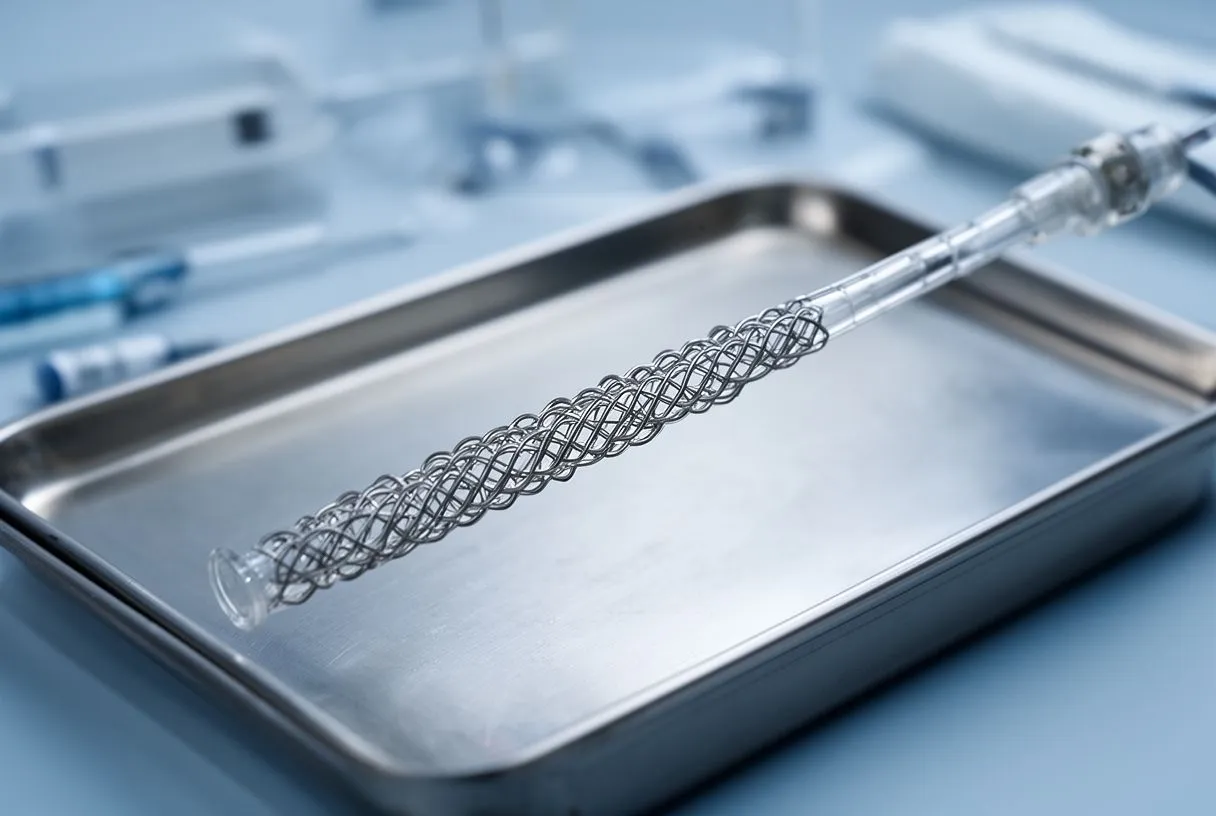
Long-term outcomes after coronary stenting have improved steadily over the past two decades, driven by better stent designs, more effective drug coatings, refined antiplatelet strategies, and improved adjunctive medical therapy. For most patients, a stent provides durable relief of symptoms and a meaningful reduction in the risk of major adverse cardiac events. The stent does not cure coronary artery disease, but it effectively addresses the most dangerous obstruction and, combined with medical therapy, substantially lowers the likelihood of a future heart attack related to that lesion. Long-term survival after stenting is heavily influenced by how well the underlying risk factors — cholesterol, blood pressure, diabetes, smoking — are managed afterward.
What to expect five years and beyond: In the first year after a drug-eluting stent, the highest-risk period is the initial six to twelve months while dual antiplatelet therapy is ongoing and the stent is endothelialising. After that, the stent functions as a permanent scaffold and the risk profile resembles that of native coronary artery disease. Late stent thrombosis remains a possibility but is very rare with current-generation stents. Many patients remain symptom-free for years, particularly if they adhere to their medication regimen and attend regular follow-up. For patients who received a bare-metal stent, the main long-term consideration is restenosis, which, if it occurs, is typically addressed with a repeat angioplasty — sometimes with a drug-eluting stent placed inside the original one, a technique called stent-in-stent.
The most important message for patients and families considering a stent procedure is that the stent is one component of a comprehensive plan. The procedure addresses the critical blockage; the medications prevent clot and manage cholesterol; the lifestyle changes slow the disease; and the follow-up visits ensure that any new issues are caught early. We encourage you to bring your questions to a qualified cardiac team, where your angiogram can be reviewed and the options appropriate for your anatomy discussed — because the best decision is always the one made with full information, tailored to your individual situation.






