Mechanical Heart Valve: Lifespan and Living With It
Mechanical heart valve lifespan can exceed decades with proper care.
Deciding to undergo valve replacement surgery is a major step for any patient and their family. Choosing the right prosthetic involves balancing durability with long-term lifestyle adjustments. A mechanical heart valve offers an exceptional lifespan, often outlasting the patient, but it requires a commitment to daily medication and routine monitoring. Understanding what to expect when living with this device can ease anxiety and help you make an informed choice alongside your cardiac surgery team.
What Is a Mechanical Heart Valve?
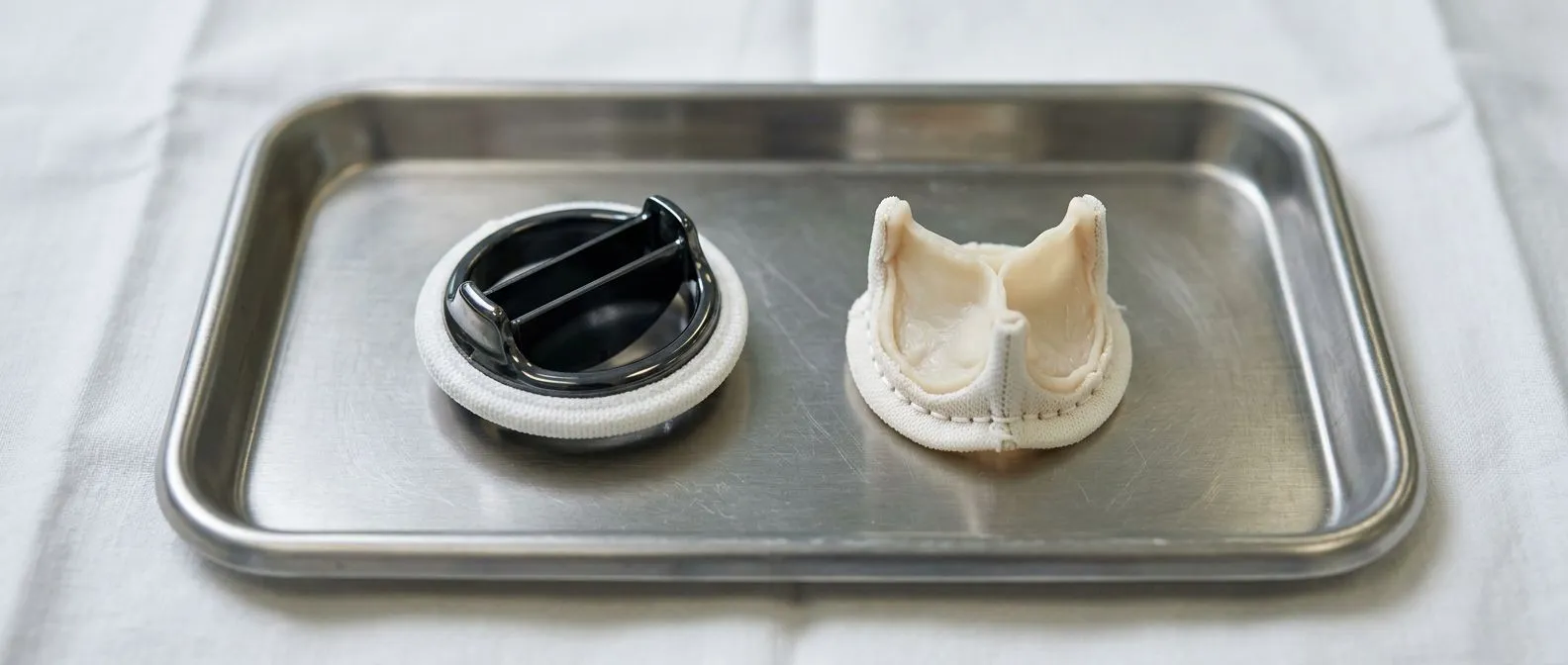
A mechanical heart valve is a highly durable, man-made prosthetic device used to replace a diseased or damaged natural valve in the heart. When a patient's native valve fails—often due to severe stenosis or regurgitation—blood flow becomes compromised. Surgeons replace this failing valve to restore normal circulation, usually positioning the new device in the aortic or mitral location. If placed in the aortic position, it connects the left ventricle to the Ascending Aorta, ensuring oxygen-rich blood is pumped efficiently to the rest of the body. This surgical intervention is often the most reliable path to restoring long-term cardiac function.
How the valve functions in the body: The device mimics the natural one-way flow of a healthy heart valve. It features leaflets that open and close with each heartbeat, responding precisely to pressure changes in the Atrium and ventricles. Because the materials are not biological, the body does not degrade the valve over time. According to extensive clinical data published by the New England Journal of Medicine, these devices provide structural integrity that biological alternatives often cannot match over decades.
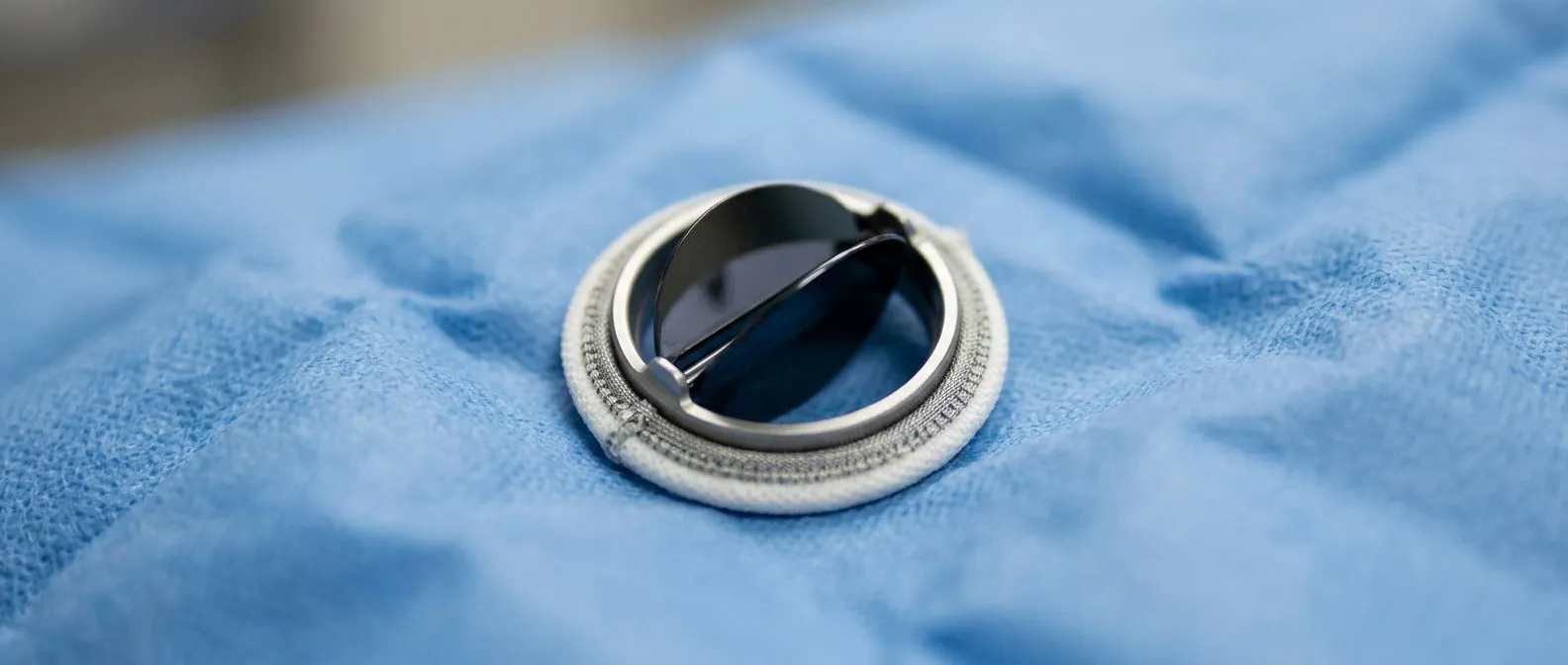
Materials used in modern devices: Today's prosthetics are typically crafted from carbon and titanium. These specific materials are chosen because they are highly biocompatible, meaning they do not trigger severe immune responses while remaining incredibly resistant to wear. This engineering is what allows the mechanical heart valve to endure hundreds of millions of open-and-close cycles without structural failure. The result is a permanent solution for valve disease, provided the patient adheres to the required blood-thinning therapy.
How Long Do Mechanical Valves Last?
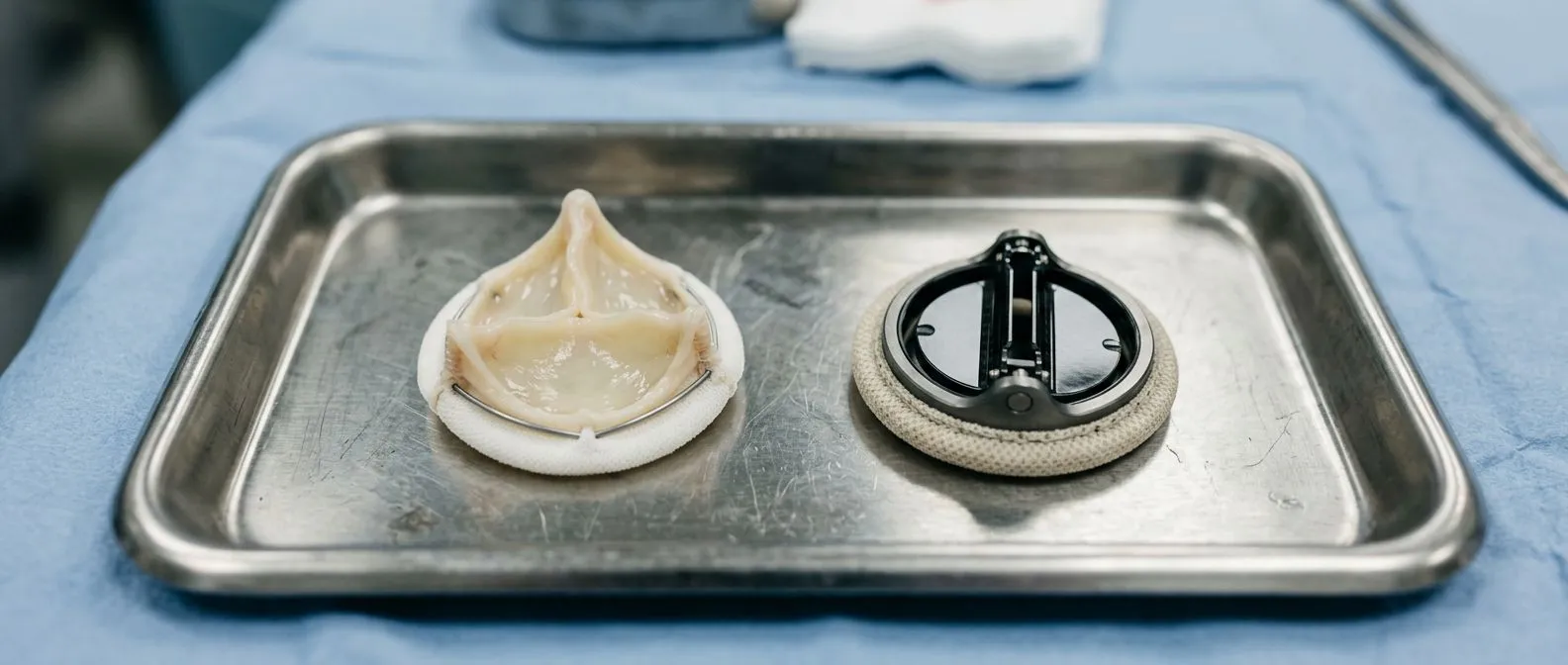
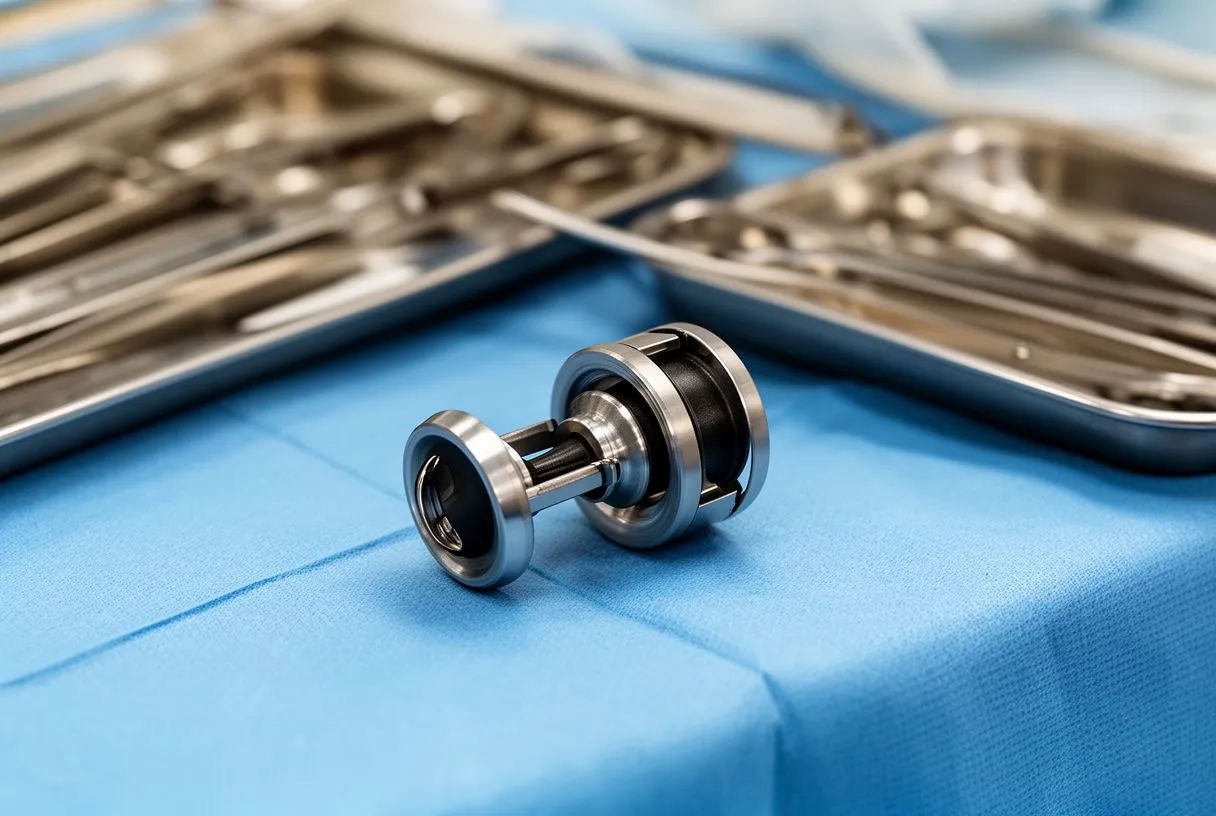
One of the most common questions patients ask is about the longevity of their new prosthetic. The durability of a mechanical heart valve is its most defining characteristic. Unlike biological valves made from cow or pig tissue, which calcify and degrade over time, mechanical options are designed to last a lifetime. For younger patients facing valve disease, this means avoiding the physical and emotional toll of a second open-heart surgery decades down the line.
Structural durability over decades: The synthetic materials used in these valves do not suffer from the biological aging processes that affect human or animal tissue. Whether a patient has a history of high cholesterol leading to an Atheromatous Plaque or other systemic issues, the valve itself remains structurally intact. It will not wear out under normal physiological conditions. This structural permanence is the primary reason surgeons often recommend mechanical devices for patients under a certain age threshold.
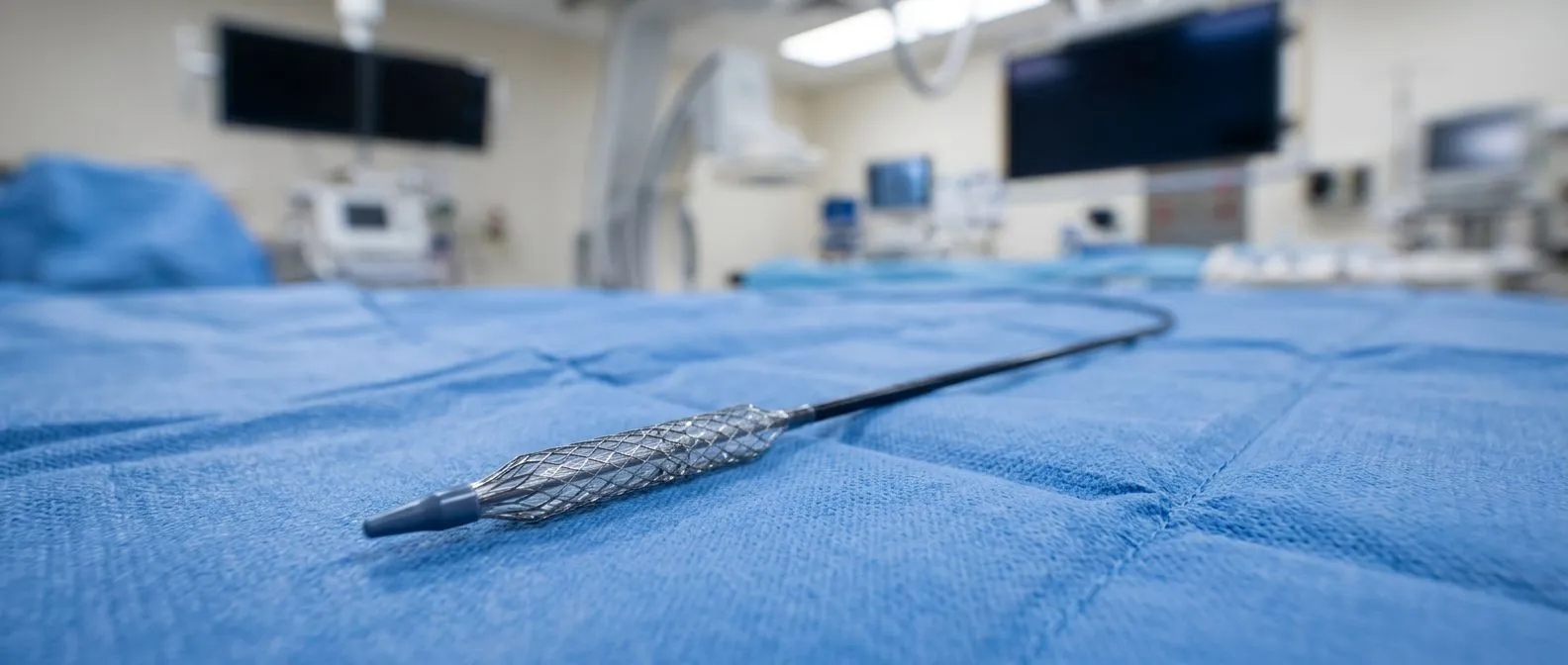
Comparing bileaflet designs: The most common modern design is the bileaflet valve, which consists of two semicircular discs that pivot open and closed. This specific geometry offers excellent hemodynamics, meaning blood flows through the valve with minimal resistance or turbulence. It avoids the high-pressure gradients sometimes seen in older ball-and-cage designs. The long-term success of these devices makes them distinct from a Balloon-expandable Valve used in transcatheter procedures, which are currently predominantly biological in composition.
Mechanical Valve Blood Thinner Management
Because the human body recognizes the mechanical heart valve as a foreign object, blood tends to clot on its artificial surfaces. To prevent dangerous clots from forming and breaking off, patients must take anticoagulant medication, commonly known as blood thinners, for the rest of their lives. This is the most significant lifestyle commitment required after valve replacement surgery. Effective management of this medication is crucial for long-term safety and preventing complications.
Daily anticoagulation therapy: Warfarin is the standard medication prescribed for mechanical valve recipients. It requires careful, ongoing monitoring through a blood test called the International Normalized Ratio (INR). Maintaining the correct INR target is critical; if it is too low, the risk of a valve clot increases, and if it is too high, the risk of serious bleeding rises. Some patients may also take low-dose Aspirin to further reduce cardiovascular risks, depending on their overall cardiac health.
Managing dietary interactions: Warfarin interacts with many foods and medications, particularly those high in Vitamin K, which promotes blood clotting. Patients must maintain a consistent diet rather than completely avoiding Vitamin K-rich foods like leafy greens. Large clinical studies, such as the ARISTOTLE trial, have investigated various anticoagulation strategies, though the specific requirements for mechanical valves remain distinct from those for conditions like Atrial Flutter, where non-vitamin K oral anticoagulants are often used.
- INR Monitoring: Test blood regularly (initially weekly, then monthly) to ensure the dosage is correct.
- Dietary Consistency: Keep Vitamin K intake stable from week to week rather than eliminating it entirely.
- Medication Awareness: Always consult your pharmacist before starting new antibiotics or supplements, as many alter warfarin effectiveness.
Mechanical vs Tissue Valve Lifespan
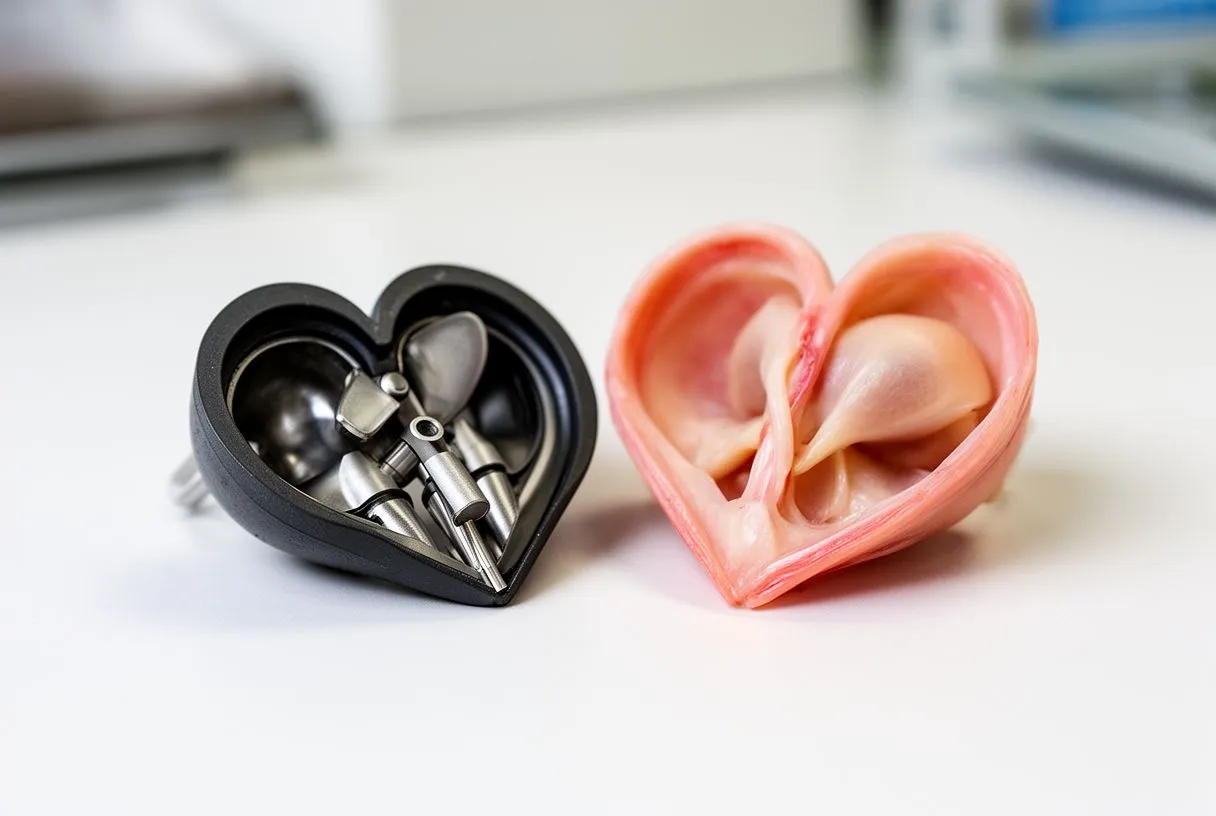
The decision between a mechanical heart valve and a biological (tissue) valve is a central conversation between the patient and the surgical team. Each option presents distinct trade-offs regarding durability and lifestyle impact. While mechanical valves require lifelong blood thinners, tissue valves usually only require temporary anticoagulation but wear out over time. Understanding these differences helps align the surgical choice with the patient's age, lifestyle, and long-term goals.
The durability versus bleeding trade-off: A mechanical valve offers freedom from future valve replacement surgeries but binds the patient to lifelong anticoagulation. A tissue valve, derived from a pig's heart valve or cow's pericardium, usually lasts 10 to 20 years before it needs replacing. An Autograft, such as the Ross procedure where the patient's own pulmonary valve is moved to the aortic position, is another option for younger patients, offering growth potential but involving a more complex surgery.
Age and lifestyle factors: Surgeons typically recommend mechanical valves for younger patients because the likelihood of needing a second open-heart surgery later in life is significantly reduced. However, an active older adult who participates in contact sports or has a high risk of falls might prefer a tissue valve to avoid the bleeding risks associated with blood thinners. There is no single best choice; the decision depends entirely on the lowest risk profile for the patient's specific situation.
Mechanical Valve Surgery Recovery Timeline
Recovering from open-heart surgery to implant a mechanical heart valve is a gradual process that requires patience, physical therapy, and careful monitoring. The immediate postoperative period involves intensive care, followed by weeks of gradual physical rehabilitation. Patients should expect a hospital stay of several days, during which the medical team ensures the new valve is functioning correctly and the initial anticoagulation therapy is properly stabilized.
Immediate postoperative care: After surgery, patients are closely monitored in the intensive care unit. An Arterial Cannula and an Arterial Line are often used during the procedure to support circulation and monitor blood pressure continuously. The surgical team may also use Autologous Blood recovered during the procedure to minimize the need for donor transfusions. If an Arterial Graft was used to bypass blocked coronary arteries during the same operation, the recovery timeline may be slightly extended, but the fundamental milestones remain similar.
Returning to daily activities: Most patients can return to light, sedentary work within six to eight weeks, though full physical recovery can take three months or longer. During this time, sternal healing is a priority, and patients are instructed to avoid heavy lifting or pushing motions. The team at Cirugía de Corazón provides detailed wound care and activity guidelines. Research from studies like An Experience of Corrective Surgery of 37 Cases of Chest Deformity highlights the importance of careful sternal and chest wall management during cardiac recoveries.
Mechanical Heart Valve Follow-up Care
Once a patient has healed from the initial surgery, ongoing follow-up care becomes the focus of managing a mechanical heart valve. This involves routine cardiology appointments to ensure the device is functioning perfectly and that the patient's overall heart health remains stable. These check-ups are vital for catching any minor issues before they become significant problems and for adjusting medications as the patient ages.
Routine echocardiograms and blood tests: Patients will undergo regular echocardiograms to visualize the valve's motion and check for any signs of leaking or structural changes. Blood tests are frequent in the first year to monitor INR levels, gradually tapering to monthly or bimonthly checks once a stable dose of warfarin is established. Cardiac teams also monitor other cardiovascular risk factors, such as Apolipoprotein B levels, to prevent progressive atherosclerosis in the native coronary arteries.
Monitoring for systemic complications: Because artificial valves carry a small risk of endocarditis (an infection of the valve), patients must be vigilant about dental hygiene and report any unexplained fevers immediately. Dental procedures often require prophylactic antibiotics to prevent bacteria from entering the bloodstream and settling on the mechanical surfaces. If a patient experiences chest pain that deviates from their normal surgical healing, doctors must evaluate them for an Atypical Infarction to ensure the heart muscle itself is receiving adequate blood supply.
Are Mechanical Heart Valves Safe for Pregnancy?
Women who receive a mechanical heart valve and wish to become pregnant face a complex medical journey. Pregnancy naturally increases blood volume and creates a hypercoagulable state, meaning the risk of blood clots is significantly higher. Warfarin, the standard blood thinner for mechanical valves, crosses the placenta and can cause harm to the developing fetus. Therefore, managing a mechanical heart valve during pregnancy requires highly specialized, multidisciplinary care.
Adjusting anticoagulation therapy: To protect the fetus, the medical team typically transitions the patient from warfarin to heparin, which does not cross the placenta, during the first trimester and again near delivery. This switch requires frequent hospital visits and strict monitoring to prevent valve thrombosis. The decision-making process is delicate, weighing the mother's risk of a valve clot against the baby's risk of warfarin-induced complications.
- Preconception Planning: Discuss pregnancy goals with a cardiologist before trying to conceive to establish a safe medication transition plan.
- High-Risk Obstetrics: Delivery must take place in a hospital with a dedicated cardiac obstetrics team capable of handling anticoagulation reversal and heart emergencies.
- Postpartum Care: Anticoagulation management remains critical immediately after birth to prevent clot formation during the recovery period.
Because of these immense challenges, young women of childbearing age sometimes opt for a biological valve to simplify pregnancy, accepting the future need for a repeat surgery. This is a deeply personal decision that must be guided by expert counsel. The clinical realities surrounding this choice are profound, similar in complexity to the intricate surgical planning detailed in the article Aortic root replacement and valvuloplasty in a woman with severe pectus excavatum.
Mechanical Heart Valve Exercise Guidelines
Physical activity is highly encouraged after recovering from valve replacement, as it strengthens the heart muscle and improves overall cardiovascular health. A mechanical heart valve is designed to handle the increased blood flow required during exercise. However, because patients are on blood thinners, they must choose activities that minimize the risk of trauma or bleeding, striking a balance between cardiovascular fitness and physical safety.
Safe cardiovascular activities: Walking, swimming, cycling, and light jogging are excellent ways to maintain heart health without risking severe injury. These activities keep the heart rate elevated and promote healthy blood flow. Patients are generally advised to avoid contact sports like football or martial arts, where a hard blow to the chest or head could cause severe internal bleeding due to the anticoagulation therapy. Even routine sports should be approached with awareness of potential Arm Pain or joint injuries.
Monitoring intensity and safety: While a mechanical valve functions perfectly during heavy exertion, the underlying heart muscle must be retrained gradually. Patients should warm up slowly and stop exercising if they feel dizzy, excessively short of breath, or experience chest pain. In environments where sudden cardiac events are a risk, such as large gyms or remote trails, having an Automated External Defibrillator accessible is a good safety precaution, though the valve itself rarely causes arrhythmias directly.
Understanding Mechanical Valve Click Sound
One of the most unique aspects of living with a mechanical heart valve is the audible sound it makes. Patients often describe hearing a soft clicking or ticking sound in their chest, particularly when they are in a quiet room or lying down to sleep. This sound is entirely normal and is simply the mechanical leaflets snapping shut with each heartbeat. Understanding this phenomenon can prevent unnecessary anxiety.
The physics of the click: The sound is generated by the hard carbon or metal leaflets making contact as they close to prevent blood from flowing backward. Because the materials are rigid, unlike flexible biological tissue, the closure creates an acoustic event. A physician can easily hear this distinct sound during Auscultation using a stethoscope. It is a sign that the valve is functioning mechanically correctly, snapping crisply rather than sluggishly.
Adjusting to the new normal: For most patients, the clicking becomes a comforting background noise over time, acting as a continuous reminder that their heart is beating strongly. However, if the volume or pattern of the click suddenly changes—becoming muffled or significantly louder—it could indicate a structural issue or a change in blood flow. Any sudden change in the sound of the valve warrants a prompt call to the cardiologist to rule out complications.
When to Seek Help for Mechanical Valve Complications
While mechanical heart valves are highly reliable, patients must remain vigilant for the rest of their lives. Knowing when to seek emergency medical help is critical for preventing catastrophic outcomes. The primary risks associated with this device revolve around blood clots, bleeding, and infection. Prompt recognition of warning signs can make the difference between a minor medical adjustment and a life-threatening emergency.
Recognizing valve thrombosis: If a blood clot forms on the valve, it can obstruct blood flow or prevent the leaflets from opening fully. Symptoms include sudden shortness of breath, a sudden change in the valve's click sound, or a stroke-like symptom such as facial drooping or weakness. If valve thrombosis is suspected, immediate medical imaging is required. In severe cases, interventions like Balloon Angioplasty or more advanced support like Awake ECMO might be necessary to stabilize the patient before a surgical solution or a Balloon Aortic Valvuloplasty can be considered.
Warning signs of endocarditis: An infection on the mechanical heart valve is a severe complication. Patients should seek immediate care if they develop a persistent, unexplained fever, night sweats, or unusual fatigue. Endocarditis can damage the tissue surrounding the artificial valve, causing it to loosen and leak. If you experience any of these symptoms, do not wait for your next scheduled appointment. Contact a qualified cardiac team immediately to discuss your symptoms and seek appropriate diagnostic testing.