Vomiting After Heart Surgery: Causes and When to Worry
Vomiting after heart surgery is common but can signal problems.
What Causes Vomiting After Heart Surgery?
Anesthesia and the brain's chemoreceptor trigger zone: The most common reason for vomiting after heart surgery is the lingering effect of general anesthesia. During your operation, medications suppress consciousness by acting on the brainstem, and some of those drugs continue to irritate the chemoreceptor trigger zone — a small area in the brain that detects toxins and triggers the vomit reflex — for hours or even days afterward. This is the same mechanism behind motion sickness, and it explains why even patients who have never had nausea before can feel sick after cardiac procedures. According to the New England Journal of Medicine, postoperative nausea and vomiting remains one of the most distressing side effects patients report after major surgery, affecting satisfaction scores even when the operation itself was uncomplicated.
Pain medications and opioid sensitivity: Opioid pain relievers, commonly prescribed after cardiac surgery, directly slow the stomach and intestines. This slowing — called gastric stasis — means food and digestive fluids sit in the stomach longer than normal, building pressure until the body expels them upward. If you are taking medications such as morphine or fentanyl through an IV or by mouth, your surgical team may adjust the dose or switch to a different class of analgesic to reduce this effect. Many patients worry that vomiting means something has gone wrong with their heart, but in most early cases the cause is pharmacological, not cardiac.
Beyond medications, the physical stress of surgery itself plays a role. Your body releases stress hormones — cortisol and catecholamines — in large quantities during and after the operation. These hormones shift blood flow away from the digestive tract and toward the heart and brain, which is the right priority for survival but leaves the gut sluggish and irritated. When you combine slowed digestion, pain medications, residual anesthetic agents, and the sheer physical trauma of having your chest opened and repaired, the stomach's normal rhythm is disrupted. Understanding these layered causes helps reduce anxiety: the vomiting is a predictable, manageable response to multiple known triggers rather than a mystery symptom.
How Common Is Postoperative Nausea After Cardiac Surgery?
Reported rates in cardiac populations: Postoperative nausea affects a significant proportion of cardiac surgery patients, with studies generally placing the incidence between thirty and fifty percent in the first twenty-four to forty-eight hours. That means roughly one in every two patients will experience some degree of nausea or vomiting after heart surgery, even with modern anti-nausea protocols. The number is high enough that anesthesiologists treat prevention as a standard part of the surgical plan, not an afterthought. Knowing these numbers can help families set realistic expectations — if your loved one feels sick in the intensive care unit, they are experiencing something ordinary, not a sign that the operation failed.
Why some patients are more susceptible: Several factors raise an individual's risk. Women, nonsmokers, and patients with a history of motion sickness or previous postoperative nausea all have higher baseline rates. Younger patients — those under fifty — also tend to report nausea more frequently than older adults, partly because their vestibular systems and chemoreceptor pathways are more reactive. A patient receiving an arterial line for continuous blood pressure monitoring, for example, is already in a higher-acuity category where multiple medications converge, compounding the risk. These factors do not change the surgical plan, but they do help the anesthesiology team choose which preventive medications to administer before you wake up.
It is worth noting that the perception of nausea is subjective and often underreported. Patients in the intensive care unit may be intubated, sedated, or too weak to communicate what they feel, so nurses watch for indirect signs — swallowing repeatedly, facial grimacing, or reluctance to move. Once the breathing tube is removed and you can speak, telling your nurse about even mild queasiness allows them to act early. Waiting until vomiting actually occurs makes the symptom harder to control and more exhausting for your body. The message for families is simple: encourage your loved one to mention nausea the moment it begins, not when it becomes unbearable.
Is Vomiting After Heart Valve Surgery Different?
Valve procedures and their specific nausea triggers: Vomiting after heart valve surgery follows the same general mechanisms as other cardiac operations, but a few details differ. If you had a mechanical or tissue valve placed in the atrium or at the level of the ascending aorta, your surgical team may have used specific anticoagulation strategies that influence medication choices afterward. For example, patients on certain blood thinners need to avoid medications that increase bleeding risk, and some anti-nausea drugs interact with these protocols. The team balances the need to control vomiting against the need to protect your new valve from clot formation.
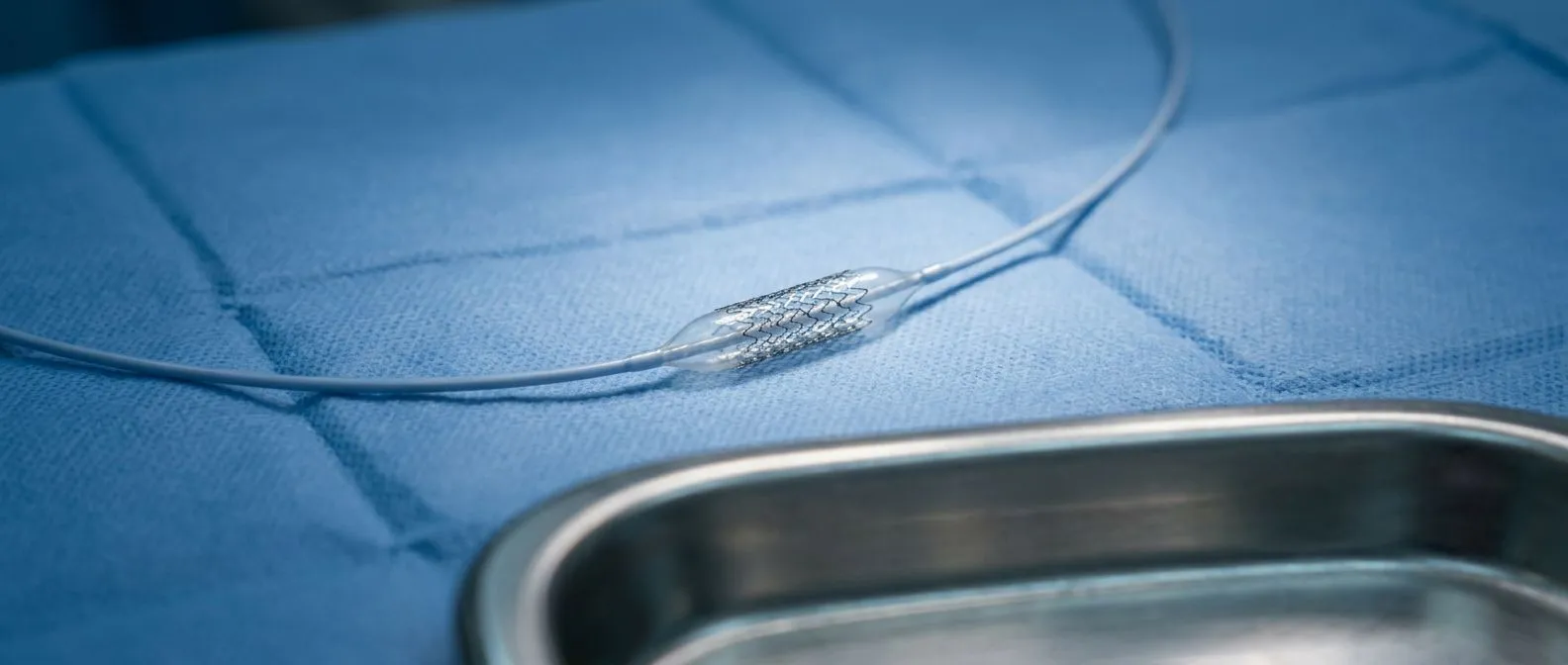
Transcatheter aortic valve replacement — called TAVR — involves a different approach than open surgery. Because TAVR is performed through a catheter rather than a large chest incision, the anesthesia may be lighter, and the recovery is typically faster. However, some patients still experience nausea from contrast dye used during imaging, from sedation, or from the stress of the procedure itself. If you had a balloon-expandable valve deployed during TAVR, the rapid changes in blood flow and pressure as the new valve opens can briefly affect your circulation, occasionally producing a wave of lightheadedness or queasiness in the catheterization lab. These sensations usually pass within minutes as your body equilibrates.
Another consideration for valve patients is the timing of eating after surgery. Because many valve operations involve stopping the heart and using a heart-lung machine, the gut experiences a period of reduced blood flow that can leave it temporarily sluggish. Surgeons typically advance the diet slowly — clear liquids first, then soft foods — to let the intestines resume normal motility. Pushing food too soon, especially after a complex valve repair or replacement, can trigger vomiting that sets recovery back by a day. Patience with the diet progression is one of the simplest and most effective ways to avoid preventable nausea.
How Long Does Nausea Last After Heart Surgery?
The first twenty-four hours — peak intensity: For most patients, the worst nausea occurs in the first day after surgery, while residual anesthetic agents are still clearing from the bloodstream and pain medication doses are highest. During this window, your nurses will likely offer anti-nausea medication proactively, even before you ask. The goal is to keep vomiting from happening at all, because once the cycle starts, the stomach becomes more sensitive and the pattern harder to break. If you are still vomiting after the first twenty-four hours despite medication, your team will investigate whether a different cause — such as an ileus, where the intestines temporarily stop moving — is responsible.
Days two through five — gradual improvement: As anesthesia fully clears and pain medications are tapered or switched to oral forms, most patients notice a steady decline in nausea. By the third or fourth day, many people are eating small meals without difficulty. A subset of patients — perhaps ten to fifteen percent — continue to feel intermittent queasiness for up to a week, especially if they are sensitive to opioid painkillers or if their diet is advancing too quickly. Research catalogued by the PubMed-indexed study 31161305 has examined how anesthetic choices influence gastrointestinal recovery timelines in adult cardiac surgery, suggesting that the specific drugs used during the operation can shift the nausea window by a day or more in either direction.
Beyond the first week, persistent vomiting is uncommon and should prompt a closer look. If you are home and still unable to keep food or water down after seven to ten days, the cause may no longer be surgical or anesthetic — it could be a medication side effect, a delayed gastric emptying problem, or in rare cases a sign of a complication such as fluid around the heart or an infection. The general rule is that nausea should improve every day, not plateau or worsen. A recovery that moves in the wrong direction is always worth a phone call to your surgical team.
What Medications Help Manage Post-Surgery Nausea?
First-line antiemetics used in cardiac recovery: Several categories of medication are available, and cardiac teams typically use them in combination for better results. Serotonin receptor antagonists — the same family of drugs used for chemotherapy-related nausea — are among the most commonly prescribed because they are effective and have minimal interaction with heart medications. Dopamine antagonists and antihistamines are also used, though these can cause drowsiness or, in some cases, affect heart rhythm, so the team selects them carefully based on your cardiac history. If you have a known history of atrial flutter or other rhythm disturbances, certain anti-nausea drugs may be avoided or given at adjusted doses.

Matching the drug to the cause: Not all nausea responds to the same medication, which is why your team may try one drug and then switch to another if results are poor. If the nausea is opioid-induced, reducing the opioid dose or adding a medication that counteracts the gut-slowing effect may work better than a standard antiemetic alone. If the nausea stems from vestibular irritation — the inner-ear pathway similar to motion sickness — an antihistamine-type medication may be more effective. The clinical trial Influence of Anesthetics on Clinical Outcome in Mitral and Aortic Valve Replacement in Adults is one example of ongoing research into how the choice of anesthetic protocol affects outcomes including postoperative nausea, reflecting the field's recognition that prevention starts before the first incision.
Patients sometimes ask whether natural remedies — ginger, acupressure wristbands, peppermint — can replace prescription medications after heart surgery. While some of these options have modest evidence for mild nausea in other settings, they are not adequate substitutes for medical management in the acute postoperative period. That said, once you are home and nausea has diminished to a mild level, some patients find ginger tea or peppermint lozenges helpful as a complement to their prescribed regimen. Always mention any supplements or herbal remedies to your cardiac team, because some interact with blood thinners like aspirin or with medications you may be taking to support your heart during recovery.
When Should You Worry About Vomiting After Cardiac Surgery?
Red flags that warrant immediate attention: Most postoperative nausea is expected and manageable, but certain features transform vomiting from a routine side effect into something that needs urgent evaluation. If you vomit material that looks like coffee grounds or contains bright red blood, this may indicate bleeding in the stomach or esophagus — sometimes related to stress ulcers or to irritation from a feeding tube. If vomiting is accompanied by severe chest pain, shortness of breath, a racing or irregular heartbeat, or fainting, the cause may extend beyond the stomach and involve the heart itself. These symptoms should never be waited out at home.
Signs of dehydration and medication absorption problems: Repeated vomiting over twenty-four hours can prevent your body from absorbing the medications that protect your new surgical repair — including blood thinners, antibiotics, and heart rate control drugs. If you cannot keep these critical medications down, your surgical team needs to know, because they may need to switch you to an alternative route such as IV administration. Dehydration from vomiting shows itself as dark urine, dizziness on standing, dry mouth, and a fast heartbeat — and in a patient recovering from heart surgery, dehydration stresses a cardiovascular system that is still healing. A patient who had an arterial graft placed during bypass surgery, for instance, needs stable blood pressure to keep that new conduit healthy, and dehydration undermines that stability.
Another situation that deserves attention is vomiting accompanied by a swollen or firm abdomen, especially if you have not passed gas or had a bowel movement for a day or more. This combination may signal an ileus — a temporary paralysis of the intestines that sometimes follows cardiac surgery — or, less commonly, a more serious abdominal problem. While an ileus usually resolves on its own with time, IV fluids, and nasogastric decompression, it needs to be diagnosed and monitored rather than assumed. The safest approach is to treat any vomiting that is forceful, prolonged, bloody, or accompanied by other concerning symptoms as a reason to call your team right away.
Can Vomiting Affect Your Heart Surgery Recovery?
Strain on the healing chest and incision: The physical act of vomiting generates significant intra-abdominal pressure, and that pressure transmits upward against your diaphragm and chest wall. After open-heart surgery, your sternum has been opened and wired back together, and the surrounding muscles and tissues are healing. Repeated episodes of retching stress these repairs, and in rare cases can cause separation of the sternal edges or worsening of incisional pain. This is why controlling nausea early — before it escalates to forceful vomiting — is not just about comfort but about protecting the structural integrity of your surgical site.

Nutrition and wound healing: Recovery from heart surgery demands energy and protein. Your body is repairing large wounds, rebuilding tissue, and fighting off potential infection. When vomiting prevents you from eating or drinking adequately, your nutritional intake drops precisely when demand is highest. Over several days this gap can slow wound healing, weaken your immune response, and lengthen your hospital stay. Patients who have received an autograft or who required harvesting of an internal mammary artery for bypass have additional healing surfaces that benefit from adequate nutrition, making persistent vomiting a tangible threat to recovery quality, not just a nuisance.
There is also a psychological dimension. Vomiting is deeply unpleasant, and repeated episodes can leave patients feeling demoralized, anxious, and reluctant to eat even when they physically could. This fear of eating can create a cycle where reduced intake leads to weakness, weakness reduces mobility, and reduced mobility slows recovery across every system. Breaking that cycle requires both good medication management and emotional reassurance from the care team. Family members can help by encouraging small, frequent attempts at eating and by reminding their loved one that nausea is temporary and does not mean the surgery was unsuccessful.
How to Prevent Vomiting After Bypass Surgery
Preoperative strategies that matter: Prevention begins before you enter the operating room. If you have a history of postoperative nausea, motion sickness, or vomiting with previous surgeries, tell your anesthesiologist during the preoperative assessment. This information allows them to select anesthetic techniques and prophylactic anti-nausea medications tailored to your risk profile. Some evidence suggests that using a combination of two or three antiemetic drugs from different classes — given before you wake up — is more effective than a single drug given reactively. Identifying yourself as high-risk is not complaining; it is giving your team the information they need to protect your recovery.
Intraoperative and early postoperative measures: During the operation, the anesthesia team can minimize the use of gases known to trigger nausea, favor intravenous anesthetic techniques in high-risk patients, and ensure adequate hydration to keep blood pressure stable without overloading the circulation. After surgery, the intensive care team typically administers anti-nausea medication on a schedule rather than waiting for you to request it. This proactive approach keeps blood levels of the medication steady and prevents the nausea cascade from starting. If you had autologous blood returned to you during or after the procedure, careful management of volume and rate also helps avoid the circulatory shifts that can trigger queasiness.
- Tell your anesthesiologist about prior nausea history — this is the single most useful piece of information for personalized prevention.
- Follow the diet progression exactly — clear liquids, then full liquids, then soft foods — even if you feel hungry for more.
- Request medication early — nausea is easier to prevent than to stop once it has built momentum.
- Avoid strong smells — ask visitors to skip perfumes and heavily scented foods during the first few days.
Prevention is a team effort, and the best results come from communication. If something is not working — if you still feel nauseated despite the medications you have been given — say so clearly. There are many options, and the first choice is not always the right one for every person. Adjusting the plan is a normal part of postoperative care, not a sign that something has gone wrong.
What to Eat After Heart Surgery to Reduce Nausea
Choosing foods that are gentle on a recovering stomach: The first foods after surgery should be bland, low in fat, and easy to digest. Clear broth, plain gelatin, apple juice, and oral rehydration solutions are typical starting points. As your stomach tolerates these, the diet advances to include items like plain toast, crackers, rice, oatmeal, and soft-cooked eggs. The principle is to give your digestive system foods that require minimal effort to process while it is still recovering from the effects of anesthesia and pain medication. Greasy, spicy, or heavily seasoned foods should wait until nausea has fully resolved.

Why small, frequent meals work better than large ones: After cardiac surgery, your stomach may empty more slowly than usual, and a large meal sitting in a sluggish stomach is a recipe for nausea. Eating small amounts every two to three hours keeps the workload manageable and prevents the stomach from becoming either too full or too empty — both extremes can trigger vomiting. Sipping fluids between meals rather than with meals also helps, because drinking large volumes while eating can overfill the stomach and increase reflux. Some patients find that cool or room-temperature foods are better tolerated than hot foods, which tend to have stronger aromas.
Protein intake matters for wound healing, but heavy protein sources like steak or fried chicken are too demanding for a recovering gut. Instead, choose softer options: yogurt, cottage cheese, smooth nut butters, or protein supplements recommended by your dietitian. If your surgical team has placed you on a low-sodium diet for heart health — common after valve surgery or bypass — your food choices must satisfy both the nausea strategy and the sodium restriction. This is where a dietitian's guidance becomes invaluable, because the intersection of cardiac dietary rules and postoperative nausea management is not always intuitive. Do not hesitate to ask for a consultation.
When to Contact Your Cardiac Surgery Team
Clear thresholds for reaching out: Not every wave of nausea requires a phone call, but certain situations should never be managed alone at home. If you cannot keep any fluid down for twelve hours, if you cannot keep your prescribed heart medications down, or if vomiting is accompanied by fever, chest pain, or a heart rate that feels much faster or more irregular than usual, contact your surgical team immediately. If you have been discharged and your vomit contains blood or material that looks like dark coffee grounds, go to the nearest emergency department rather than waiting for a callback. These are not situations where watchful waiting is appropriate.
What information to have ready: When you call, the nurse or on-call physician will need specific details to decide how urgently you need to be seen. Have a list of your current medications, the last time you successfully took each one, the number of vomiting episodes in the past twenty-four hours, whether you have had a fever, and whether you are producing urine normally. If you have a home blood pressure cuff or pulse oximeter, take a reading before you call. For patients recovering from a complex procedure — for example, someone who required an arterial cannula during ECMO support or who had an atypical infarction as the indication for surgery — the clinical picture is more complex, and your team will likely want to evaluate you in person rather than manage symptoms over the phone.
- Call immediately if: vomiting contains blood, is accompanied by chest pain or irregular heartbeat, or prevents you from taking critical heart medications.
- Call the same day if: you have vomited repeatedly for more than twenty-four hours despite anti-nausea medication, or you notice signs of dehydration.
- Message your team if: nausea is mild and improving but you have questions about diet, medication timing, or activity level.
Vomiting after heart surgery is common, usually temporary, and almost always manageable with the right combination of medication, diet pacing, and communication with your care team. The key is to distinguish between expected postoperative nausea — which improves steadily over the first few days — and symptoms that signal a deeper problem. If you or a family member are preparing for cardiac surgery and want a team that takes the full recovery experience seriously, from the operating room to the first meal at home, we encourage you to book a consultation with Dr Alejandro Molina and the Cirugía de Corazón team in Guadalajara, Querétaro, or Hermosillo. A personalized conversation about your surgical plan, your risk factors, and your recovery expectations is the best place to start.