Long COVID and the Heart: What You Need to Know
Long COVID and the heart can raise surgical risks years after infection.
The pandemic ended but the virus did not go away. What COVID-19 does to the cardiovascular system, and why it matters before heart surgery years later. Here is what we know about long COVID and the heart.
The pandemic is over, but the virus has not gone anywhere. What COVID-19 does to the cardiovascular system, what Long COVID means for the heart, and why it matters before heart surgery even years later.
I know we are tired of hearing about COVID-19 and how it changed the world forever. The World Health Organization's recent announcement officially declaring the end of the pandemic makes the subject feel like a thing of the past.
The bad news is that although the pandemic has ended, the virus itself has not gone anywhere. We still have COVID-19 infections, there are still hospitalisations — though not filling hospitals as during the pandemic — and unfortunately there are still deaths from this virus. It is not going to turn into a simple "sniffle", as some world leaders insisted on calling it. This virus will remain part of our lives. We are better armed to recognise and treat it, that much is true.
The impact of COVID-19 on the cardiovascular system
COVID-19, caused by the SARS-CoV-2 virus, is known mainly for affecting the lungs. It can, however, also have a significant impact on the cardiovascular system. Once the virus enters the body it can cause inflammation and damage to the blood vessels and to cardiac tissue. Over the course of the pandemic we learned how this virus found ingenious ways of affecting other tissues while we were focused solely on the lungs.
Some patients infected with COVID-19 can develop acute cardiovascular complications such as cardiac arrhythmias, myocarditis (inflammation of the heart muscle) or thrombosis (the formation of blood clots). These can increase the risk of serious cardiac events such as a heart attack or a stroke.

Long COVID and the heart: long-term complications
Long COVID refers to the prolonged symptoms some people experience after an acute COVID-19 infection. One of the worrying aspects is that there can be persistent cardiovascular complications in some patients affected by it.
Post-COVID myocarditis
Post-COVID myocarditis is a condition in which the heart muscle remains inflamed after COVID-19 infection. This can cause symptoms such as fatigue, difficulty breathing, chest pain and palpitations. It is important to seek medical attention if you experience any of these after a COVID-19 infection, since myocarditis can lead to long-term cardiac problems.
The risk of thrombotic events
COVID-19 can also increase the risk of thrombotic events, such as blood clots forming in the deep veins of the legs (deep vein thrombosis) or in the lungs (pulmonary embolism). These events can damage the cardiovascular system and cause serious complications. If you have symptoms such as pain and swelling in the legs, difficulty breathing or sudden chest pain, it is essential to seek medical attention immediately.
The importance of medical follow-up
Given the possibility of cardiovascular complications after a COVID-19 infection, proper medical follow-up is crucial. If you have had COVID-19, make sure you arrange follow-up visits with your doctor, especially if you experience symptoms relating to the heart or the cardiovascular system.
It is also important to adopt a healthy way of living to protect your heart:
- Keep a balanced diet. Prioritise nutritious foods such as fruit, vegetables, wholegrains and lean proteins. Limit processed foods, saturated fats and refined sugars.
- Exercise regularly. Moderate physical activity for at least 30 minutes a day can strengthen your heart. Of course, after an acute infection, and depending on how severe it was, exercise can be difficult. Start gradually; your functional capacity should improve over the weeks. Be patient.
- Control your blood pressure. Check it regularly and follow your doctor's recommendations to keep it within healthy levels.
- Control your cholesterol. Keep it under control through healthy eating and, if necessary, medication prescribed by your doctor.
- Avoid tobacco and excessive alcohol. Both can damage your cardiovascular system. If you smoke, seek help to stop; if you drink, do so moderately and responsibly.
- Manage stress. Chronic stress can affect heart health. Look for relaxation techniques such as meditation, yoga or activities that help you reduce it.
COVID-19 and the heart: what happens
To understand how the virus affects the heart, it helps to know the mechanisms involved.
- Viral invasion. SARS-CoV-2 enters the body through the airways, mainly by inhaling contaminated respiratory droplets. Once inside, it can infect the cells lining the lungs, the epithelial cells.
- Inflammatory response. COVID-19 infection triggers a systemic inflammatory response. It is thought that inflammation and an excessive immune response play an important part in tissue damage, including cardiac tissue.
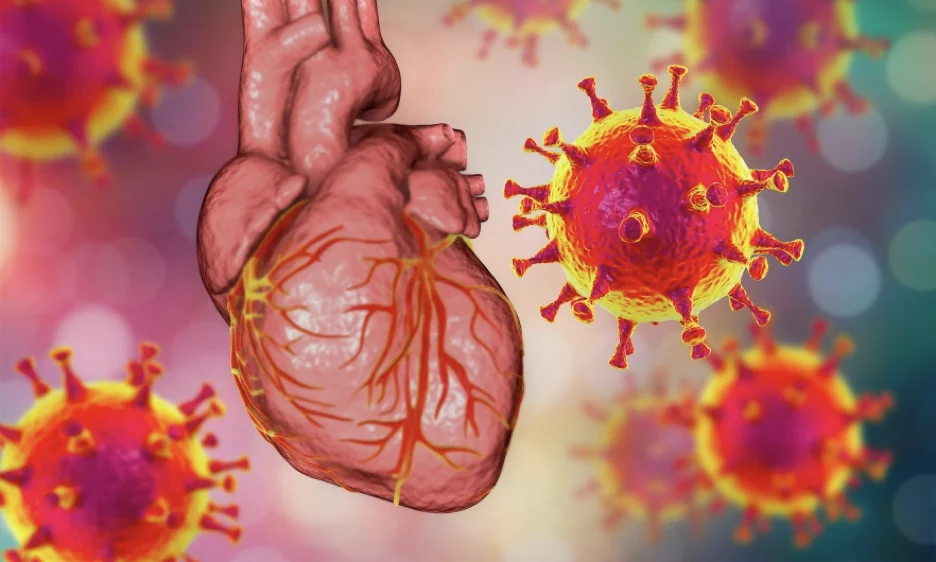
- Direct damage to cardiac tissue. The virus can directly affect cardiac tissue by entering the heart's cells. SARS-CoV-2 has been found to bind to specific receptors called angiotensin-converting enzyme 2 (ACE2), present on cardiac cells. This binding can cause direct damage and provoke inflammation.
- Altered immune response. In some cases the immune response can be unbalanced, leading to excessive inflammation. This exaggerated response can damage cardiac tissue and contribute to generalised inflammation and abnormal blood clotting.
- Endothelial dysfunction. The endothelium is the layer of cells lining the blood vessels, including the coronary arteries. COVID-19 infection can cause endothelial dysfunction, which means the endothelium's capacity to regulate the dilatation and contraction of blood vessels, and blood clotting, is compromised.
- Clot formation. COVID-19 can also increase the risk of blood clots forming in the cardiovascular system. Clots can obstruct blood vessels, reduce blood flow and damage cardiac tissue, leading to serious complications such as heart attack or stroke.
It is important to stress that not everyone infected with COVID-19 will experience cardiac problems. Those with pre-existing risk factors, however — cardiovascular disease, high blood pressure or diabetes — may be at greater risk of developing cardiovascular complications.
Treatment and rehabilitation
- Early medical attention. If you experience cardiovascular symptoms after a COVID-19 infection, it is fundamental to seek attention immediately. Your doctor will assess your symptoms, carry out diagnostic tests and develop a personalised treatment plan.
- Drug treatment. In cases of post-COVID myocarditis or heart rhythm disorders, medication may be needed to control inflammation, regulate the rhythm or prevent clots forming. What is prescribed will depend on your specific situation and must be given under a doctor's supervision.
- Cardiac rehabilitation. This is a crucial component of recovery after cardiovascular complications of COVID-19. A programme supervised by specialist health professionals can help you strengthen your heart, improve your exercise capacity and reduce cardiovascular risk factors.
- Lifestyle changes. A balanced diet, regular physical activity, avoiding tobacco and excessive alcohol, controlling stress and maintaining a healthy weight. Work closely with your doctor to develop a plan suited to your individual needs.
- Continuing monitoring. Regular medical follow-up matters after cardiovascular complications related to COVID-19 — periodic visits to assess your cardiac state, follow-up tests and adjustments to treatment as needed.
- Emotional and psychological support. Recovering from cardiovascular complications of COVID-19 can be challenging both physically and emotionally. Seeking support, whether through support groups, individual therapy or online resources, can help you manage stress and promote your mental wellbeing during rehabilitation.
Tell your cardiologist or cardiac surgeon
What we most want to convey with all of this: if you or your family had a COVID-19 infection, tell your doctor — especially if you are in a situation where you might need some kind of cardiac intervention. Even if the infection was months or years ago, it is very important that you mention it.
In heart surgery we have learned gradually what can happen to a heart that appeared to have recovered 100% after a COVID-19 infection. When we take these patients to surgery we observe unusual behaviour — myocarditis, myocardial dysfunction and difficulty coming off bypass — even in low-risk cases.
The probable explanation is that there may be complex pathophysiological mechanisms related to Long COVID that remain latent months or years after the infection. Patients with many cardiovascular risk factors — hypertension, obesity, sleep apnoea, diabetes, dyslipidaemia — appear to be at greatest risk of a situation like this.

Heart surgery after COVID: what we check
When a patient who has had COVID-19 needs an operation, we take a little more time with the assessment. This is where the link between long COVID and the heart becomes very practical. We ask when the infection was, how severe it was, and whether any symptoms have lingered since.
- Symptoms. Fatigue, breathlessness, palpitations or chest pain that began after the infection deserve attention before surgery.
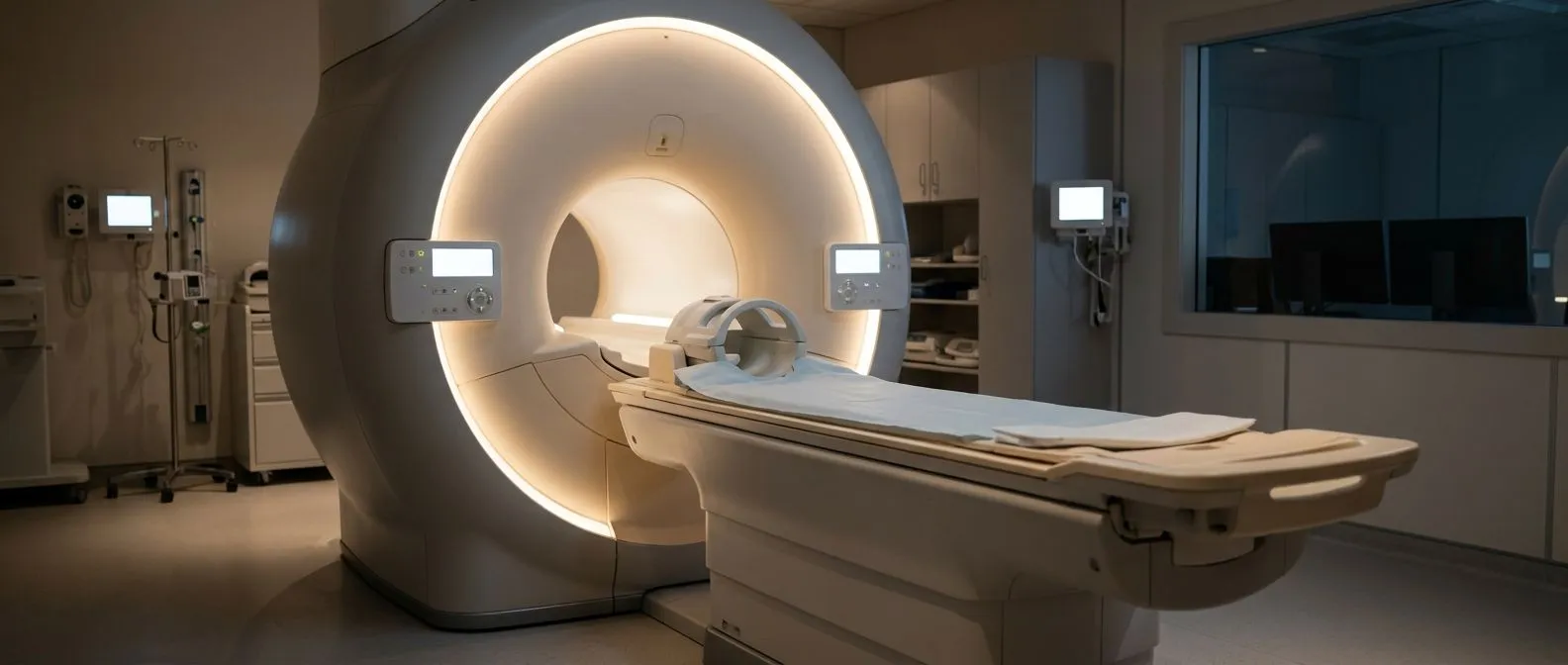
- Heart function. An echocardiogram shows how well the heart muscle pumps and relaxes. In selected patients, a cardiac MRI can look for signs of inflammation or scarring, such as those left by myocarditis after COVID.
- Rhythm. An electrocardiogram, and sometimes a Holter monitor, checks for arrhythmias.
- Clotting. A history of thrombosis or pulmonary embolism changes how we plan anticoagulation around the operation.
In most cases, heart surgery after COVID goes ahead safely once the acute infection has fully passed. The timing of planned surgery is decided case by case. What matters is that your team knows the history and can prepare for it.
Swelling, blood pressure and chest pain after COVID
Some patients notice new symptoms in the weeks or months after the infection and wonder whether they are related. They may be. Long COVID and the heart are linked in several ways, so these symptoms should be checked.
Swollen legs. Swelling of one leg, especially with pain, warmth or redness, can be a sign of deep vein thrombosis and needs urgent attention. Swelling of both legs can have many causes, including heart failure, inactivity or medicines. Either way, it deserves a medical review.
Blood pressure. Some studies suggest that blood pressure can rise after COVID-19 in some people. If you had high blood pressure before, the infection may make it harder to control for a while. Check it regularly and share the readings with your doctor.
Chest pain. Chest pain can occur during the infection and as part of long COVID. It can come from the lungs, the chest muscles or the heart. Sudden, severe or crushing pain, or pain with breathlessness or fainting, is an emergency. Call for help straight away.
Getting help for long COVID and the heart
The first step is your family doctor or cardiologist. Describe your symptoms, when they began and how they affect daily life. Your doctor can arrange the basic tests and refer you on if needed. Some hospitals have clinics that bring together cardiology, respiratory medicine, rehabilitation and psychology for people with long COVID.
Recovery from the effects of long COVID on the heart is usually gradual. A supervised cardiac rehabilitation programme can help you rebuild exercise capacity safely. Pacing your activity, sleeping well and staying up to date with vaccination also help protect your heart. Questions about long COVID and the heart are welcome at our consultation. If you need a cardiac procedure, tell us about the infection, and we will plan around it together.
To take home
In challenging times it is important to remember that human resilience and spirit are extraordinary. Although COVID-19 can have significant cardiovascular consequences, it is fundamental to keep hope and focus on recovery and wellbeing — as well as knowing how to identify certain symptoms that could be linked to an old infection.
With the right medical care, emotional support and positive changes to your way of living, you can strengthen your heart and overcome the difficulties — even take it to levels of health you had not thought possible before. Every step we take towards a healthier life is a step towards a better quality of life.
References
- Shi S, et al. Association of Cardiac Injury With Mortality in Hospitalized Patients With COVID-19 in Wuhan, China. JAMA Cardiol. 2020;5(7):802–810.
- Guo T, et al. Cardiovascular Implications of Fatal Outcomes of Patients With Coronavirus Disease 2019 (COVID-19). JAMA Cardiol. 2020;5(7):811–818.
- Inciardi RM, et al. Cardiac Involvement in a Patient With Coronavirus Disease 2019 (COVID-19). JAMA Cardiol. 2020;5(7):819–824.
- Zheng YY, et al. COVID-19 and the cardiovascular system. Nat Rev Cardiol. 2020;17(5):259–260.
- Clerkin KJ, et al. COVID-19 and Cardiovascular Disease. Circulation. 2020;141(20):1648–1655.
- Libby P, et al. COVID-19 and Cardiovascular Disease: From Basic Mechanisms to Clinical Perspectives. Circulation Research. 2020;127(12):162–167.
- Zhou F, et al. Clinical course and risk factors for mortality of adult inpatients with COVID-19 in Wuhan, China: a retrospective cohort study. Lancet. 2020;395(10229):1054–1062.

About the author
Dr Alejandro Molina is a cardiovascular surgeon practising in Guadalajara, Querétaro and Hermosillo. He trained in cardiothoracic surgery at the Universidad de Guadalajara, completed advanced training in cardiac surgery, minimally invasive surgery, robotic surgery and structural interventions at the University of Montreal, and a fellowship in structural cardiology and TAVR at CHU Bordeaux, France. He performed the first robotic mitral valve repair in the Ángeles Health System and the first robotic heart surgery in Guadalajara.
Medical degree: Universidad Autónoma de Guadalajara, Cédula Profesional 5757260 · Cardiothoracic surgery: Universidad de Guadalajara, Cédula de Especialidad 10768871 · Current certification, Consejo Nacional de Cirugía del Tórax, no. 447
Talk to a specialist
Request a free video consultation to clear up your questions and make a better-informed decision.