PCI or Bypass Surgery: Choosing How to Open an Artery
PCI or bypass surgery—which is right for your blocked arteries?
What Are PCI or Bypass Surgery Options for Coronary Artery Disease
When coronary arteries become narrowed by an atheromatous plaque—a buildup of cholesterol, calcium, and cellular waste—blood flow to the heart muscle is restricted, causing chest pain or even a heart attack. To restore this vital circulation, cardiac teams rely on two primary revascularization strategies: percutaneous coronary intervention (PCI) and coronary artery bypass grafting (CABG). Choosing between PCI or bypass surgery is a highly individualized process, depending on the number of blocked vessels, the specific anatomy of your heart, and your overall health status. Both approaches aim to relieve symptoms and prevent further cardiac damage, but they achieve this through vastly different mechanical pathways.
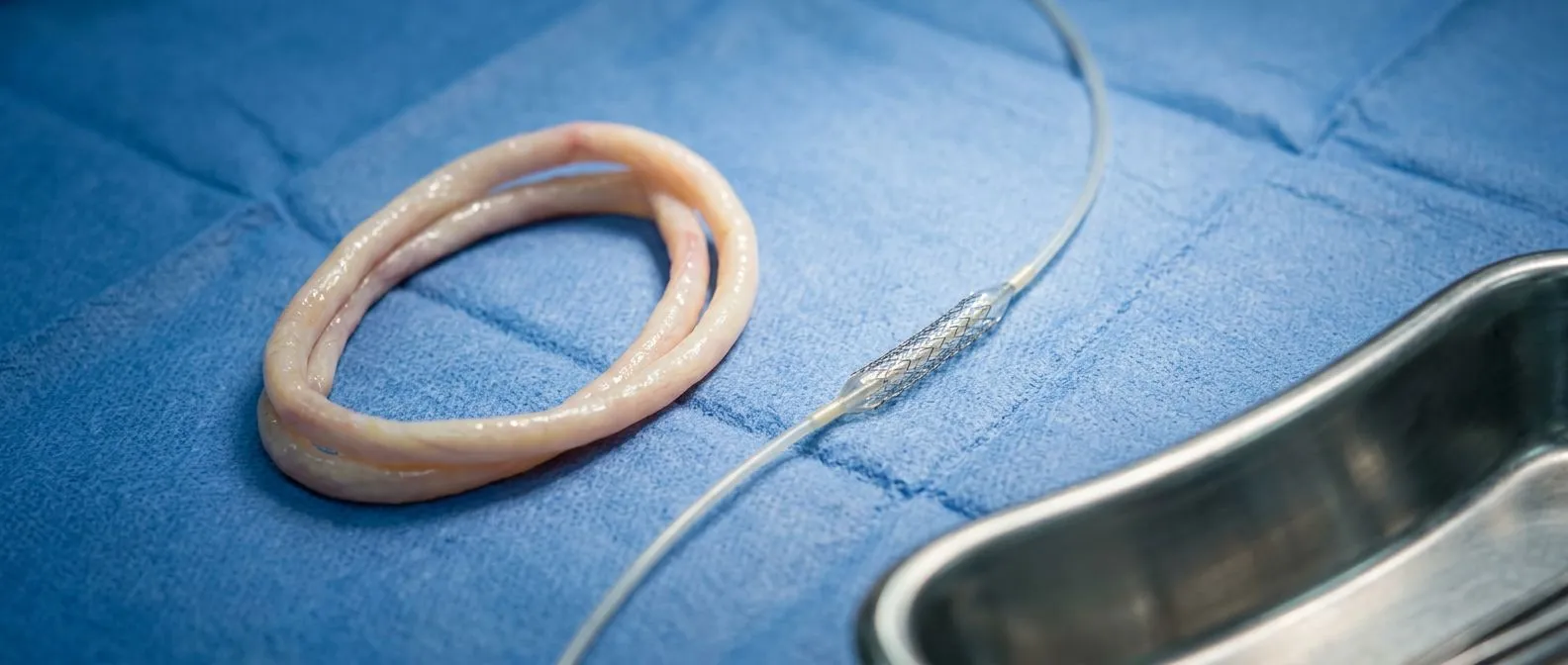
Defining the two approaches: PCI is a minimally invasive catheter-based procedure where an interventional cardiologist threads a thin tube through the wrist or groin to reach the blockage, often utilizing balloon angioplasty to push the plaque against the artery walls before placing a stent. Conversely, bypass surgery is an open-heart or minimally invasive surgical procedure where a cardiovascular surgeon creates new pathways for blood to flow around the blockages using healthy blood vessels harvested from elsewhere in your body. According to the NHLBI, both procedures are highly effective, but their long-term benefits vary based on the complexity of the coronary artery disease.
Why the choice matters: The decision between a stent and a bypass graft fundamentally alters your immediate recovery timeline and your long-term need for repeat procedures. A stent offers rapid symptom relief with a very short hospital stay, but it may be more prone to re-narrowing over time compared to a surgical graft. Bypass surgery requires a longer initial recovery period but provides more durable results for complex, multi-vessel disease. Understanding these foundational differences is the first step toward having an informed, empowered conversation with your cardiac care team.
How PCI or Bypass Surgery Decisions Are Made for Heart Artery Blockage
Determining the optimal route for coronary artery treatment begins with a comprehensive diagnostic evaluation to map the exact location and severity of the blockages. Your physician will listen to your heart through auscultation—a clinical examination using a stethoscope—to detect murmurs or irregular rhythms, but definitive planning requires advanced imaging like coronary angiography. This detailed X-ray reveals the precise architecture of your coronary tree, allowing the medical team to assess whether a blockage is suitable for a catheter-based approach or if it requires surgical rerouting. The clinical presentation also plays a major role; a patient presenting with an acute, massive heart attack requires immediate PCI to open the culprit artery, whereas a patient with chronic, stable chest pain has more time to weigh the surgical options.
Anatomical complexity dictates the approach: If your angiogram reveals a single, discrete blockage in a large, accessible artery, a stent is often the most straightforward and effective solution. However, if the coronary arteries are diffusely diseased, heavily calcified, or if the blockages occur at branching points, catheters may not navigate safely or achieve a durable result. In these scenarios, bypassing the entire diseased segment with a healthy arterial graft is surgically favored. Patients presenting with an atypical infarction—where heart damage occurs without the classic crushing chest pain—also require careful diagnostic scrutiny to ensure the chosen intervention addresses the underlying ischemia correctly.
Factoring in patient health and frailty: Beyond the angiogram, the decision heavily weighs your comorbidities, age, and baseline functional status. Conditions like severe lung disease, kidney dysfunction, or advanced age may make the prolonged anesthesia and systemic inflammatory response of open-heart surgery too dangerous, tipping the scales toward a less invasive stent. Conversely, if you have diabetes and multiple blocked vessels, surgical bypass has consistently shown superior long-term survival rates. A multidisciplinary heart team, including both interventional cardiologists and cardiovascular surgeons, reviews these overlapping factors collaboratively to arrive at the safest, most durable recommendation for your specific physiology.
Understanding Coronary Stent vs Bypass Surgery for Multi-Vessel Disease
When coronary artery disease affects two or three of the major vessels supplying the heart, the debate between coronary stent vs bypass surgery becomes highly pronounced. Multi-vessel disease is particularly challenging because the cumulative ischemic burden is higher, meaning a larger portion of the heart muscle is starved for oxygen. Placing multiple stents can effectively restore blood flow in the short term, but the long-term durability of multiple metal scaffolds within the heart can be complicated by the risk of in-stent restenosis or late stent thrombosis. Bypass surgery, by contrast, utilizes the patient's own internal mammary artery or saphenous vein to create robust, long-lasting conduits around the blockages.
Diabetes and surgical preference: For patients with diabetes, the data consistently favors bypass surgery over multi-vessel stenting. Diabetic vessels are often diffusely diseased and prone to aggressive new plaque formation. Using an arterial graft to bypass the entire length of a diseased coronary artery provides a more reliable long-term solution than stenting localized segments. Furthermore, while structural heart procedures like balloon aortic valvuloplasty or the deployment of a balloon-expandable valve during transcatheter aortic valve replacement (TAVR) address valve stenosis, coronary bypass specifically targets the intricate network of surface vessels feeding the myocardium, offering a comprehensive mechanical solution.
- Complete Revascularization: Bypass surgery often achieves more complete revascularization, especially when the left anterior descending artery and its branches are heavily diseased.
- Medication Burden: Stenting requires strict adherence to dual antiplatelet therapy to prevent clotting, whereas bypass grafts, particularly arterial ones, may reduce the long-term reliance on certain antiplatelet regimens.
- Invasiveness: Multi-vessel PCI is performed without surgical incisions, avoiding the chest cracking associated with traditional bypass, resulting in a significantly shorter immediate hospital stay.
When to Choose Bypass Surgery Over a Stent for Long-Term Survival
The primary advantage of coronary artery bypass grafting lies in its proven durability and its ability to improve long-term survival in specific patient cohorts. If your left main coronary artery—the critical vessel that supplies a vast majority of the left side of the heart—is significantly narrowed, bypass surgery is universally recommended over stenting. A blockage here is incredibly dangerous, and the surgical creation of a bypass route around the left main trunk provides a fail-safe mechanism that a single stent cannot guarantee. Similarly, patients with severely reduced heart pumping function benefit from the comprehensive rerouting that only surgery can provide.
The mechanics of surgical grafting: During bypass surgery, the cardiovascular surgeon often prefers to use an arterial graft, typically the left internal mammary artery, because it remains highly resistant to developing atheromatous plaque over decades. In cases requiring extensive reconstruction, an autograft of a healthy blood vessel is used to redirect flow. The surgical environment also allows for the use of an autologous blood recovery system, minimizing the need for donor transfusions. The exact physiological monitoring required during this process is critical; understanding how left ventricular volume and strain changes over time correlate with ejection fraction is vital, as noted in research like the Simultaneous Left Ventricular Volume and Strain Changes During Chemotherapy Associate With 2‐Year Postchemotherapy Measures of Left Ventricular Ejection Fraction study, which underscores the importance of long-term myocardial strain assessment in cardiac care.
Addressing concurrent cardiac pathologies: Another compelling reason to choose surgery is the opportunity to correct other structural heart issues simultaneously. If a patient requires coronary revascularization but also has a diseased ascending aorta or an enlarged left atrium, the surgical setting allows for a combined procedure. For instance, a surgeon can perform a coronary bypass while simultaneously correcting an atrial flutter via a maze procedure, eliminating the need for two separate, high-risk interventions. This comprehensive approach to structural and electrical heart disease is a distinct advantage of the surgical route over catheter-based stenting.
PCI or Bypass Surgery Recovery Timelines and What to Expect
The recovery trajectory is perhaps the most immediate, noticeable difference patients experience following either intervention. After a PCI procedure, the catheter insertion site—often in the radial artery of the wrist or the femoral artery of the groin—is closed with a compression device or a specialized suture. Most patients are walking within hours and are discharged from the hospital the following day, often returning to normal, non-strenuous activities within a week. This rapid recovery is a significant benefit for patients who cannot afford the extensive downtime required for major surgery, though strict adherence to blood thinners is mandatory to keep the new stent open.

Navigating surgical recovery: Bypass surgery recovery is markedly more intensive. If performed as a traditional open-heart procedure, the sternum must heal, which means strict restrictions on lifting, pushing, or driving for six to eight weeks. During the operation, an arterial cannula is placed to divert blood to the heart-lung machine, and an arterial line is inserted for continuous blood pressure monitoring. The body experiences a significant systemic inflammatory response to being on bypass, requiring a few days in the intensive care unit before transferring to a standard ward. Patients must engage in supervised cardiac rehabilitation to regain their strength, endurance, and respiratory capacity.
Long-term lifestyle adjustments: Regardless of the chosen procedure, neither a stent nor a bypass graft cures the underlying atherosclerosis. Both pathways demand aggressive, lifelong medical management of coronary artery disease to prevent new blockages from forming. This involves a rigorous regimen of medications, including statins to lower cholesterol and aspirin to prevent platelet aggregation. Furthermore, dietary modifications, smoking cessation, and consistent cardiovascular exercise are non-negotiable pillars of maintaining the patency of your newly opened or bypassed arteries over the coming decades.
Managing PCI Complications and Risks After Artery Opening
While PCI is significantly less invasive, it is not without its specific risks and complications that patients must carefully monitor. The most common issue following stent placement is restenosis, a process where the treated artery narrows again due to excessive tissue growth around the metal scaffolding. Modern drug-eluting stents have drastically reduced this risk by slowly releasing medication that suppresses this cellular proliferation, but the threat is never entirely zero. More acutely, stent thrombosis—a sudden blood clot forming inside the stent—is a catastrophic event that can cause a fatal heart attack if not treated immediately.
Bleeding and medication risks: To prevent stent thrombosis, patients are prescribed dual antiplatelet therapy, usually a combination of aspirin and a P2Y12 inhibitor. While these medications keep the stent open, they inherently increase the risk of bleeding. Patients must be vigilant about even minor signs of internal bleeding and must coordinate with physicians before any future dental work or surgeries. Guidelines established by major clinical trials, such as the ARISTOTLE trial for blood thinners, continuously shape how doctors balance the risk of clotting against the danger of hemorrhage in cardiac patients, tailoring the duration of therapy to individual risk profiles.
Arrhythmias and electrical disturbances: The ischemia that necessitated the stent, or the physical manipulation of the heart during the procedure, can sometimes irritate the heart’s electrical system. Patients may experience temporary arrhythmias, such as atrial flutter, originating from the right atrium. While often manageable with medication or a brief cardioversion, these rhythm disturbances require careful telemetry monitoring. In rare, severe cases of diffuse disease where the left ventricle remains weakened despite stenting, the patient may face an increased risk of sudden cardiac arrest, necessitating the consideration of an automated external defibrillator for home safety.
How Cardiac Revascularization Options Impact Quality of Life
Quality of life following revascularization is a critical metric, as the ultimate goal of opening an artery is not just to prolong life, but to restore the ability to live it fully. Both PCI and bypass surgery are highly effective at relieving angina—the chest pain, pressure, or radiating arm pain that severely limits physical exertion in coronary artery disease patients. Many patients report an immediate, profound relief of these ischemic symptoms once blood flow is restored. This alleviation of pain allows individuals to return to walking, climbing stairs, and enjoying daily activities without the constant fear of physical exertion triggering a cardiac event.

Functional capacity and rehabilitation: The trajectory of functional improvement differs between the two groups. PCI patients often feel better instantly but may experience a return of symptoms if blockages progress elsewhere in the arterial tree. Bypass patients endure a grueling initial recovery, but once the sternum heals and cardiac rehab is complete, they often achieve a higher, more durable functional capacity, particularly if they had extensive multi-vessel disease prior to surgery. The psychological impact is also profound; surviving a major heart intervention and successfully regaining physical strength provides a significant boost to mental health and life outlook.
The burden of chronic care: Maintaining this improved quality of life requires a permanent shift in patient behavior and medical compliance. The necessity of taking multiple medications daily, attending regular cardiology follow-ups, and adhering to a heart-healthy diet can feel burdensome, but it is the price of maintaining the surgical or interventional result. Patients who actively engage in their secondary prevention—managing blood pressure, tracking lipid panels, and controlling blood sugar—are the ones who sustain the highest quality of life decades after their revascularization procedure.
Evaluating Bypass Surgery Success Rate in High-Risk Patients
Assessing the bypass surgery success rate involves looking at both the immediate operative survival and the long-term patency of the grafts. In experienced surgical centers, the immediate survival rate for isolated coronary bypass surgery is remarkably high, often exceeding ninety-eight percent. However, high-risk patients—those with advanced age, poor left ventricular function, or severe comorbidities like COPD or renal failure—face a more complicated risk profile. Surgeons use scoring systems like EuroSCORE II to quantify these risks, helping patients understand their specific chances of complications compared to the general population.
Managing the highest risk scenarios: In critically ill patients who cannot tolerate the traditional heart-lung machine, advanced surgical support mechanisms are employed. Techniques like awake ECMO (extracorporeal membrane oxygenation) or specialized perfusion strategies can support the circulation during high-risk procedures. The blood biomarkers used to assess risk, such as Apolipoprotein B levels, provide insight into the aggressive nature of the patient's atherosclerosis, guiding both the surgical strategy and the post-operative medical regimen. In some cases, off-pump bypass surgery, performed on a beating heart without the cardiopulmonary bypass machine, is utilized to reduce the systemic inflammatory response and protect fragile kidneys or brains from microembolic events.
Long-term graft patency: The true success of bypass surgery is measured in decades, not days. Arterial grafts, particularly the left internal mammary artery, boast patency rates exceeding ninety percent at ten years. Vein grafts, however, are more susceptible to developing their own atherosclerosis over time, with a significant percentage failing within a decade. This discrepancy highlights why surgeons prefer arterial conduits whenever possible. The success of the operation is intrinsically tied to the patient's commitment to aggressive lipid management and antiplatelet therapy post-surgery, proving that surgical success is a partnership between the operating room and the patient's daily choices.
The Role of Diagnostic Imaging Before PCI or Bypass Surgery
Before a single incision is made or a catheter is threaded, precise diagnostic imaging dictates the entire therapeutic strategy. Coronary angiography remains the gold standard, providing real-time, dynamic visualization of the coronary lumen. However, standard angiograms sometimes struggle to define the exact composition or physiological significance of a moderate blockage. To bridge this gap, advanced intravascular imaging tools like intravascular ultrasound (IVUS) or optical coherence tomography (OCT) are utilized inside the artery to provide cross-sectional views of the vessel wall and the atheromatous plaque, ensuring a stent is sized perfectly and deployed with optimal expansion.

Emerging diagnostic frontiers: The evolution of imaging continues to push the boundaries of non-invasive cardiology. While human coronary care relies heavily on traditional and intravascular ultrasound, researchers are constantly exploring new modalities. For instance, the The feasibility of contrast enhanced ultrasonography (CEUS) in the diagnosis of non-cardiac thoracic disorders of dogs and cats demonstrates how contrast-enhanced ultrasound is being validated for detecting thoracic pathologies in veterinary models, a paradigm that eventually influences the development of safer, non-invasive imaging protocols for human cardiac patients as well.
Physiological assessment: Beyond simply taking a picture of the blockage, modern cardiology assesses the functional impact of the narrowing. Fractional flow reserve (FFR) is a wire-based technique that measures the pressure drop across a coronary stenosis during maximal blood flow. If the FFR shows that a blockage is not significantly restricting blood supply, a stent may be deferred entirely, and the patient treated with medical therapy. This physiological approach ensures that PCI is reserved for blockages that are truly causing ischemia, preventing unnecessary procedures and optimizing the long-term outcomes of the revascularization strategy.
Finding Heart Surgery Specialists in Guadalajara for Your Treatment
Navigating a diagnosis of severe coronary artery disease is stressful, and choosing the right medical team is the most critical step in your journey. When seeking heart surgery specialists in Guadalajara, Querétaro, or Hermosillo, it is essential to find a practice that offers a true multidisciplinary approach. At Cirugía de Corazón, every case is reviewed by a team of cardiovascular surgeons against international guidelines, so the recommendation you receive is balanced and evidence-based for your specific anatomy. You should seek a team that communicates openly, explaining complex terms clearly and addressing your anxieties with empathy.

Evaluating international cardiac care: For many international patients, seeking treatment in Mexico offers access to world-class facilities with highly trained specialists at a more accessible cost structure. Dr Alejandro Molina and the team at Cirugía de Corazón prioritize patient education and anatomical precision, utilizing the latest guidelines to drive decisions regarding PCI or bypass surgery. The practice is dedicated to bridging complex cardiology with clear, calm explanations, ensuring that patients and their families understand the exact nature of the vessel blockage and the rationale behind the recommended treatment path.
- Comprehensive Consultation: Ensure your specialist takes the time to review your angiogram with you, pointing out the exact locations of blockages and how they correspond to your symptoms.
- Facility Capabilities: Verify that the hospital is equipped with modern hybrid operating rooms capable of handling both complex stenting and immediate surgical conversion if necessary.
- Clear Communication: Choose a team that defines every clinical term on first use and clearly outlines the recovery timeline and potential risks without alarmist language.
Taking the next step: Choosing how to open a blocked artery is a decision that should never be made in isolation or under undue panic. Whether you require a straightforward stent or a complex multi-vessel bypass, the foundation of a successful outcome is a strong partnership with a trustworthy, highly skilled cardiac team. We encourage you to discuss your specific symptoms, your diagnostic results, and your personal concerns with a qualified cardiac specialist. Do not self-diagnose based on internet searches; instead, take the proactive step of booking a consultation to receive a tailored, expert evaluation of your heart health.