

TAVR: the transcatheter revolution in aortic valve treatment
Learn how TAVR transcatheter revolution transforms aortic valve treatment without open-heart surgery.
How the procedure works, who it suits, the risks, the devices available in Mexico, and why the alternatives still deserve weighing — especially in younger patients.
Transcatheter aortic valve replacement has changed the treatment of aortic valve disease. Here is what it is, how it is done, its risks and benefits, who it suits, and why the alternatives still matter.
Welcome. Are you or a relative one of the thousands of people worldwide with some form of aortic valve condition, looking for information about treatment? With so much information available it can be complicated to know which option applies to you or the person you love. It can be overwhelming and confusing. Don't worry — you are in the right place.
The aortic valve is one of the four valves in the heart. It can suffer changes over time, such as calcification and narrowing, or even birth defects that do not show themselves until adulthood. In any of these cases we have not yet found a medical or conservative treatment for this kind of disease.
Management is usually surgical, to replace or repair a diseased valve. Historically this was done with what we know as open-heart surgery; later minimally invasive techniques came into use; and today a new alternative has emerged for carefully selected patients, known as TAVR.
This procedure has completely transformed the treatment of heart valve disease, providing a less invasive option for patients who are not ideal candidates for open-heart surgery, and for lower-risk patients of a certain age. Until a few years ago this was considered impossible — something out of science fiction.
Today it is a reality reproduced at many centres around the world.
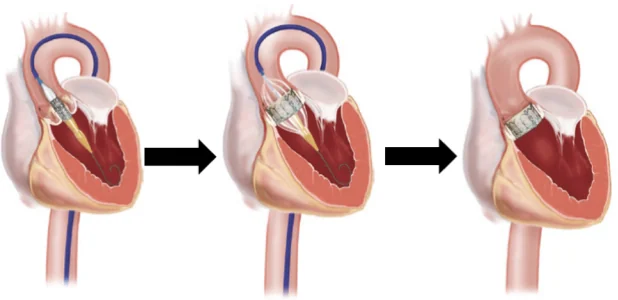
What is transcatheter aortic valve replacement?
TAVR is a procedure in which a new aortic valve is implanted in the heart without the need for open-heart surgery. A catheter — a thin tube — is used to carry the valve through the blood vessels to the heart, where it is positioned and expanded to replace the diseased or narrowed aortic valve. This minimally invasive method has changed the landscape of cardiac procedures, reducing risks and recovery time.
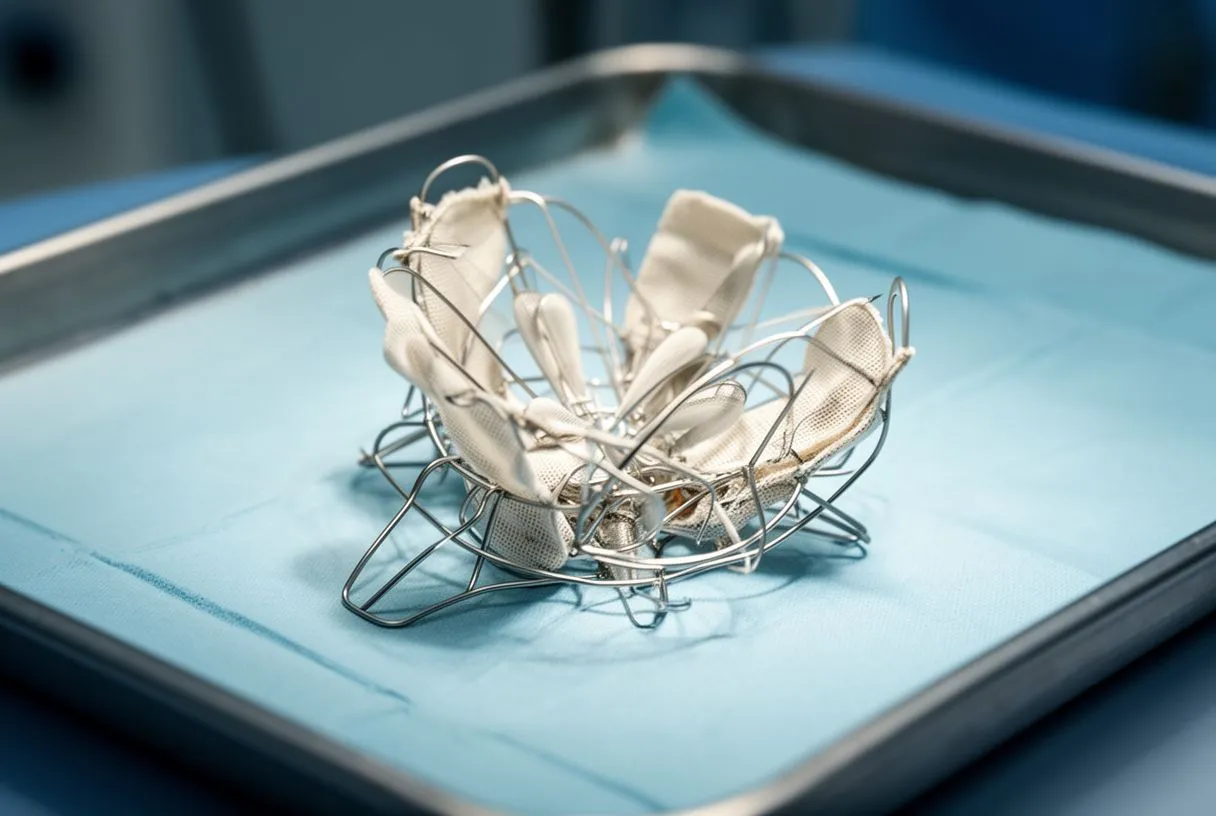
How is a TAVR performed?
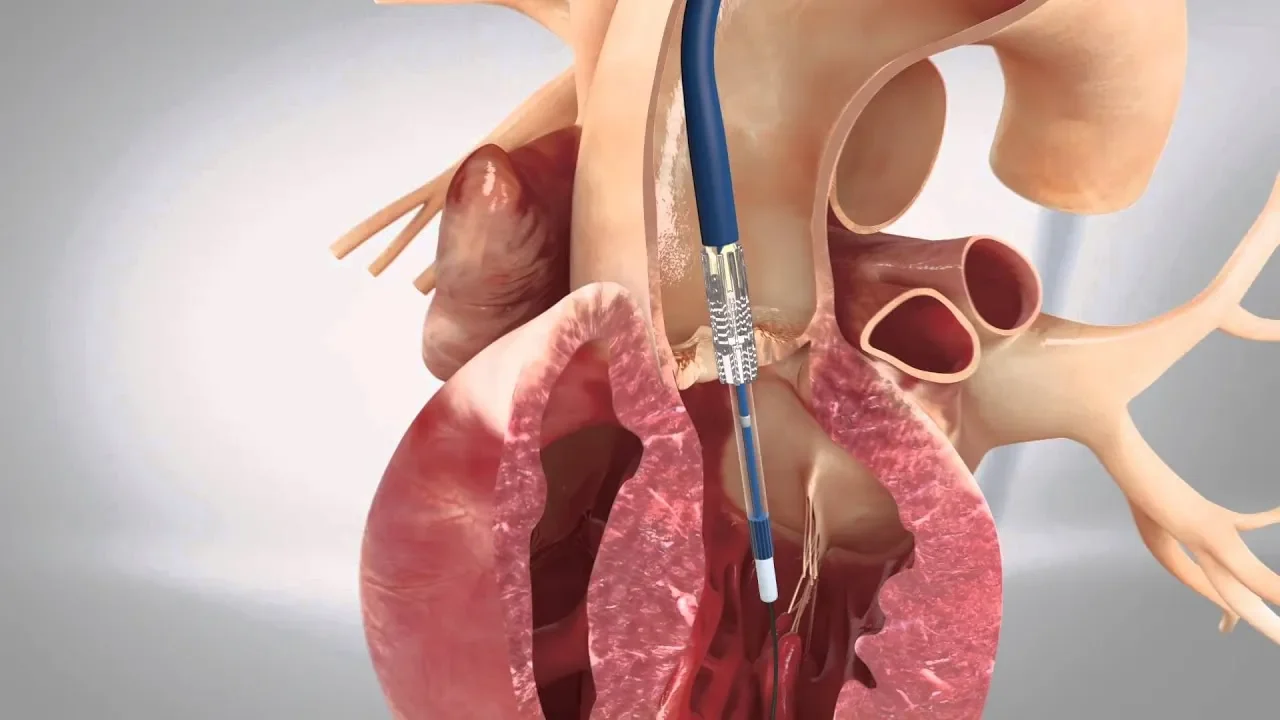
The procedure is currently carried out in a catheterisation laboratory, where X-rays and contrast are used, or in a hybrid operating theatre. It is very common for it to be done under local anaesthetic with sedation, that is to say without general anaesthesia.
In more than 90% of cases the catheter is introduced through the groin, specifically through the femoral artery, and the device is advanced along that route to the heart, to the site of the diseased valve. Once the correct position of the device has been confirmed, we inflate or release the new heart valve in the aortic position.
The release itself usually takes only a few seconds. After that we confirm, through various studies, that the valve prosthesis is correctly placed and functioning. At the end all the catheters are withdrawn. The puncture site is usually barely noticeable a few days later.
How long does a TAVR take?
In the great majority of TAVR cases we use only local anaesthetic and sedation, almost always without needing general anaesthesia, which makes the procedure relatively quicker.
On average, placing a TAVR takes approximately one hour to an hour and a half in theatre.
Recovery varies considerably with each patient's condition. Some people go home within 36 hours, while others may stay a week or more. From the moment you leave hospital you will need a cardiac rehabilitation programme to help your heart recover faster and optimise its function. That programme can last weeks or months.
What are the risks and benefits of a TAVR?
As with any medical procedure, TAVR carries certain risks. These can include complications relating to vascular access at the arteries, such as bleeding, infection, or later injury to the blood vessels such as aneurysms.
A common risk concerns the heart's electrical conduction. At the moment the new valve is released, blocks in conduction can occur, which may require a temporary or permanent pacemaker depending on the severity. The risk of needing a permanent pacemaker before leaving hospital ranges between 8 and 22%, according to the centre, its experience and each patient's anatomy.
There is also a risk, low in percentage but serious, of cerebral embolism, or of damage to the kidneys from the contrast used during the procedure.
The benefits of TAVR are significant, however. The main advantage is that it avoids the need for open-heart surgery, which reduces trauma and recovery time for the patient. In addition, recent studies have shown that TAVR is as effective as traditional surgery in terms of survival and improvement of symptoms. That has led to an expansion of the eligibility criteria, allowing more patients to benefit from this less invasive approach.
Which studies are needed before a TAVR?
Before undergoing a TAVR it is important that the patient has a thorough assessment to determine their suitability for the procedure. Common studies include:
- Echocardiogram: allows assessment of the anatomy of the aortic valve and of cardiac function generally.
- Cardiac catheterisation: provides detailed information about coronary blood flow and the pressures inside the heart.
- CT or MRI: help assess the vascular anatomy and determine the best strategy for reaching the heart.
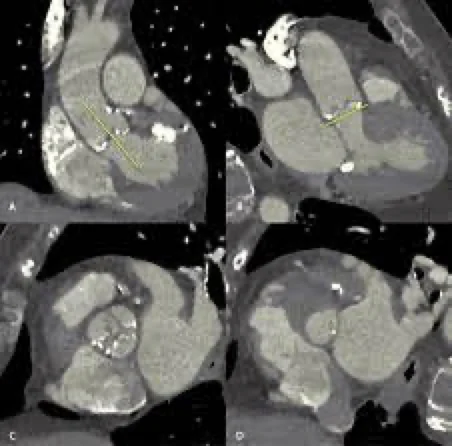
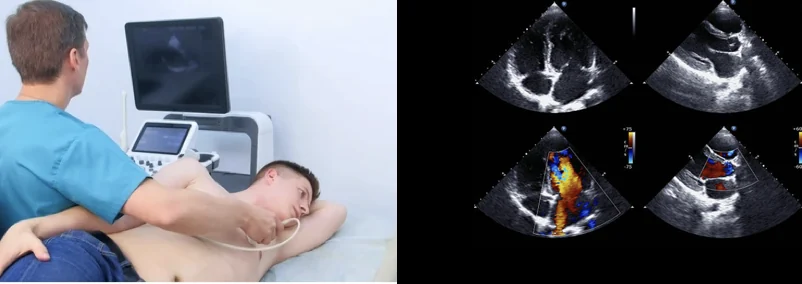
The medical team will also take other considerations into account, such as the patient's age, concurrent medical conditions, functional capacity and the patient's own preference. It is important to discuss the risks and benefits of TAVR in detail with the team and to make an informed decision.
Patient selection criteria for TAVR
Ideal candidates for TAVR usually have the following characteristics:
- Symptomatic severe aortic stenosis: a narrowed aortic valve causing significant symptoms such as breathlessness, fatigue or chest pain.
- High surgical risk: patients who, because of advanced age, concurrent illness or frailty, are at raised risk for open-heart surgery.
- Intermediate risk: in some cases patients at intermediate surgical risk can also consider TAVR as an option.
- Low risk: only in selected patients. There should be an extensive conversation with your doctor about the best option given your age, anatomy and expectations.
It is essential that the multidisciplinary medical team — interventional cardiologists, cardiac surgeons, anaesthetists and interventional radiologists — assesses each patient carefully to determine eligibility and the optimal treatment approach.
Recent studies and the evidence for TAVR
Transcatheter aortic valve replacement has been the subject of numerous studies and clinical trials in recent years. Some notable ones:
- PARTNER 3: compared TAVR with open-heart surgery in patients at low surgical risk and showed that TAVR had similar survival rates and a lower incidence of serious complications.
- Evolut Low Risk: assessed TAVR in patients at intermediate surgical risk and showed that TAVR was non-inferior to open-heart surgery in terms of mortality and stroke.
- NOTION and NOTION 2: compared TAVR with open-heart surgery in patients at low surgical risk and showed similar results in terms of mortality and quality of life.
It is worth bearing in mind that research in this field is ongoing, and new studies are continually being carried out to refine patient selection criteria, improve implantation techniques and assess the long-term durability of the implanted valves.
What alternatives are there to TAVR, and why should they be considered?
While TAVR has proved a valuable option for treating aortic valve disease in patients at high surgical risk, it is important to know and consider the alternatives available. These include open-heart surgery and conservative medical treatment.
Open-heart surgery
Open-heart surgery is the traditional approach to aortic valve replacement and remains the gold standard in many cases. Although it is a more invasive procedure and requires a sternotomy, it has certain advantages and important considerations:
- Durability. The biological (tissue) aortic valves used in open-heart surgery tend to have greater durability than those used in TAVR. This is especially relevant for younger patients.
- Complex anatomy. In cases of complex aortic anatomy, such as aneurysms or aortic dissection, open surgery may be more appropriate for addressing and treating those concurrent conditions.
- Coronary revascularisation. If the patient also needs a coronary bypass, open surgery allows both conditions to be dealt with at the same time.
Minimally invasive cardiac surgery
Minimally invasive surgery refers to heart surgery performed through small incisions in the chest, usually around 5 cm and sometimes almost imperceptible, using special instruments and cameras to repair the defects of the heart.
In most cases the sternum — the bone at the front of the chest — is neither touched nor opened, so there are none of the complications related to that kind of incision. It also brings less pain, a shorter hospital stay, fewer blood transfusions, and a faster recovery and return to normal life than conventional surgery.
Conservative medical treatment
In some cases conservative medical treatment can be an appropriate option, particularly in frail patients or those with significant other conditions. This means managing symptoms and continuing surveillance, but without invasive intervention.
Patients without symptoms. In cases of mild or moderate aortic stenosis without significant symptoms, conservative medical management can be appropriate, provided periodic assessments are carried out to detect any progression of the disease.
Limited prognosis. For patients with serious concurrent illness or a limited life expectancy because of advanced age, conservative medical treatment may be a more appropriate option for maintaining quality of life.
It is fundamental that patients and their families discuss all the available options thoroughly with their medical team, considering the risks, benefits and the individual characteristics of the patient. Shared decision-making and an assessment of risks against benefits are essential to determining the most appropriate approach in each case.
Who can perform this kind of procedure?
The doctors who can perform these procedures are cardiac surgeons and interventional cardiologists with formal training in what we know as structural cardiology. Note that not every surgeon or cardiologist has this training, and it is extremely important to establish before making a decision. Make sure your medical team has the right training before proceeding.
Equally important is that the procedure is performed by an interventional cardiologist and a cardiac surgeon together. That is the teamwork that gives the best chance of a good result, and to have the capacity to react to anything that needs immediate action.
It is vitally important that both specialists are in the room performing the procedure together. Make sure you include this in the conversations with your doctor before the intervention, because it can be the difference between success and failure.
Why consider every treatment option before going straight to TAVR, particularly in younger patients?
It is very important to weigh all the aortic valve treatment options before deciding directly on a TAVR, especially in younger patients, for several key reasons.
1. Valve durability
Valves implanted by TAVR have a more limited durability than those implanted through open surgery. Although the initial results are excellent, their long-term behaviour is still being studied. In a young patient this can mean needing several replacements over the course of their life.
2. Difficulties with future procedures
Once a TAVR is in place, performing conventional surgery later can be more complex and risky. It is also not always possible to perform multiple TAVR procedures — what is known as "TAVR-in-TAVR" — if it has not been planned carefully from the outset.
3. Anatomy and surgical results
Younger patients usually have more favourable cardiac anatomy and a greater capacity to recover, so traditional or minimally invasive surgery can be a better option, with excellent results and a more durable prosthesis.
4. Individualising treatment
Every patient is unique. The decision about which type of treatment to use should be based on a full assessment covering age, valve anatomy, other conditions, life expectancy, the patient's preferences, and the experience of the medical team.
5. What the international guidelines recommend
The clinical guidelines remain conservative about the use of TAVR in younger patients. They recommend surgery in most of these cases, unless there are important contraindications.
In other words, choosing a TAVR without weighing all the alternatives can close doors to safer and more durable treatments in future. That is why a multidisciplinary assessment and informed decision-making are essential, always with the patient's long-term wellbeing in mind.
Which TAVR valves are available in Mexico?
SAPIEN 3 / Ultra (Edwards Lifesciences)
Type: balloon-expandable valve. Design: a cobalt-chromium frame with an outer pericardial skirt that reduces paravalvular leak. Advantages: excellent precision during implantation, good haemodynamic performance and a low rate of pacemaker requirement. It is particularly useful in calcified anatomy and trileaflet aortic valves. Limitations: less capacity for repositioning during implantation compared with self-expanding valves.
MyVal (Meril Life Sciences)
Type: balloon-expandable valve. Design: hexagonal cell technology that improves the crossing profile and alignment. Advantages: a wide range of sizes, including intermediate measurements such as 21.5 and 24.5 mm, which allows greater precision in patients with borderline anatomy. Low rate of paravalvular leak. Although relatively new, it is gaining ground in many countries, Mexico among them.
Evolut R and Evolut PRO (Medtronic)
Type: self-expanding nitinol valves. Evolut R is repositionable and recapturable, with high haemodynamic efficiency and a low transvalvular gradient. Evolut PRO incorporates an outer pericardial skirt to reduce paravalvular leak. Advantages: these are supra-annular valves, which offers a larger effective orifice, particularly useful in patients with small valves or at risk of mismatch. Limitations: a greater risk of needing a pacemaker than balloon-expandable valves.
Portico and Navitor (Abbott)
Type: self-expanding. Portico has an intra-annular leaflet design and can be fully repositioned and recaptured before release. Navitor, the newer generation, brings improvements to the sealing and delivery system with a significant reduction in paravalvular leak. Advantages: flexibility of the delivery system and a low profile, suitable for difficult femoral access.
Each of these valves has particular advantages that must be considered alongside the patient's anatomy, age, surgical risk and life expectancy.
Key points
Although TAVR has proved a valuable option in treating aortic valve disease, it should not be regarded as the only one. Open-heart surgery, minimally invasive surgery and — very occasionally — conservative medical treatment also have their place in managing these conditions. It is fundamental that patients and their doctors discuss and consider every available alternative in order to make informed, personalised decisions.
Transcatheter aortic valve replacement has revolutionised the treatment of heart valve disease, offering a less invasive alternative for patients who are not ideal candidates for open-heart surgery. Although there are associated risks, the benefits are significant and numerous studies support its effectiveness and safety.
If you or someone you love is considering this procedure, it is important to discuss it in detail with your medical team to assess eligibility and make an informed decision. Remember, every case is unique and the treatment approach should be individualised.
As a cardiac surgeon, I trained formally in these procedures in Canada and in France. I will say honestly that I like the TAVR procedure — but I recognise that we have to treat the patient as an individual, and not simply offer a procedure because it is the newest or, in theory, the least invasive. That is where the importance lies of knowing how to do open-heart surgery, minimally invasive surgery and TAVR alike, so as to offer each person the management that suits them best.

About the author
Dr Alejandro Molina is a cardiovascular surgeon practising in Guadalajara, Querétaro and Hermosillo. He trained in cardiothoracic surgery at the Universidad de Guadalajara, completed advanced training in cardiac surgery, minimally invasive surgery, robotic surgery and structural interventions at the University of Montreal, and a fellowship in structural cardiology and TAVR at CHU Bordeaux, France. He performed the first robotic mitral valve repair in the Ángeles Health System and the first robotic heart surgery in Guadalajara.
Medical degree: Universidad Autónoma de Guadalajara, Cédula Profesional 5757260 · Cardiothoracic surgery: Universidad de Guadalajara, Cédula de Especialidad 10768871 · Current certification, Consejo Nacional de Cirugía del Tórax, no. 447
Talk to a specialist
Request a free video consultation to clear up your questions and make a better-informed decision.





